
6 min read
How to hem jeans
Everything you need to know to shorten jeans to the right length, from measuring to the original hem method and cuffing.
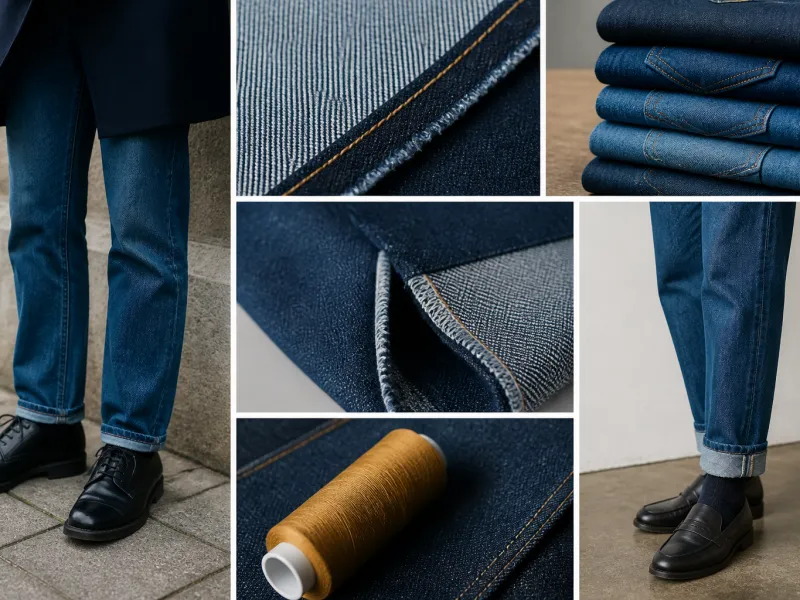
A pair of jeans that fits well everywhere except the length is still a common problem, since most jeans are cut for one standard leg length per size. Hemming, shortening the leg so the hem sits at the right point on your shoe, is one of the most useful alterations a jeans owner can learn about, whether you plan to do it yourself or ask a tailor.
This guide walks through measuring the length you actually want, the two common hemming methods, when a tailor makes more sense than doing it yourself, and a no sewing alternative for anyone who is not ready to cut fabric yet.
01
Measuring the length you want
Always measure with the shoes you plan to wear most with these jeans, and in the position you will actually stand in, since jeans hang differently sitting down. Put the jeans on, along with your belt or waistband position of choice, and let the fabric fall naturally over the shoe.
Common hem styles to choose from:
- Full break: the fabric rests on the shoe with a soft fold at the front, a classic length for straight and relaxed fits.
- Slight break: a small fold just touching the shoe, popular with slim and tapered fits.
- No break or ankle length: the hem sits at or just above the ankle bone, common with cropped, tapered or skinny styles and often paired with boots or loafers.
Mark the desired length with pins on both legs while standing straight, then check both legs are even by comparing the pinned length to the inseam measurement on each side. Add a hem allowance, the extra fabric folded under to create the new hem, before cutting. A hem allowance of about 2 to 3 cm (roughly 1 inch) is typical for a single fold hem.
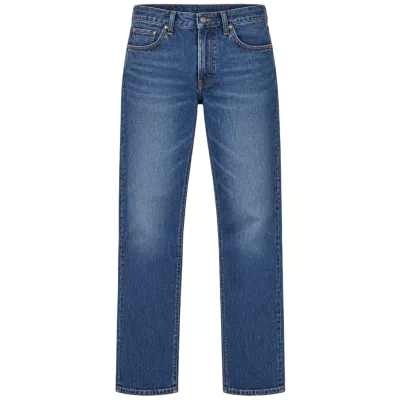 Matching productMen's straight jeansAmazon →
02
Original hem method
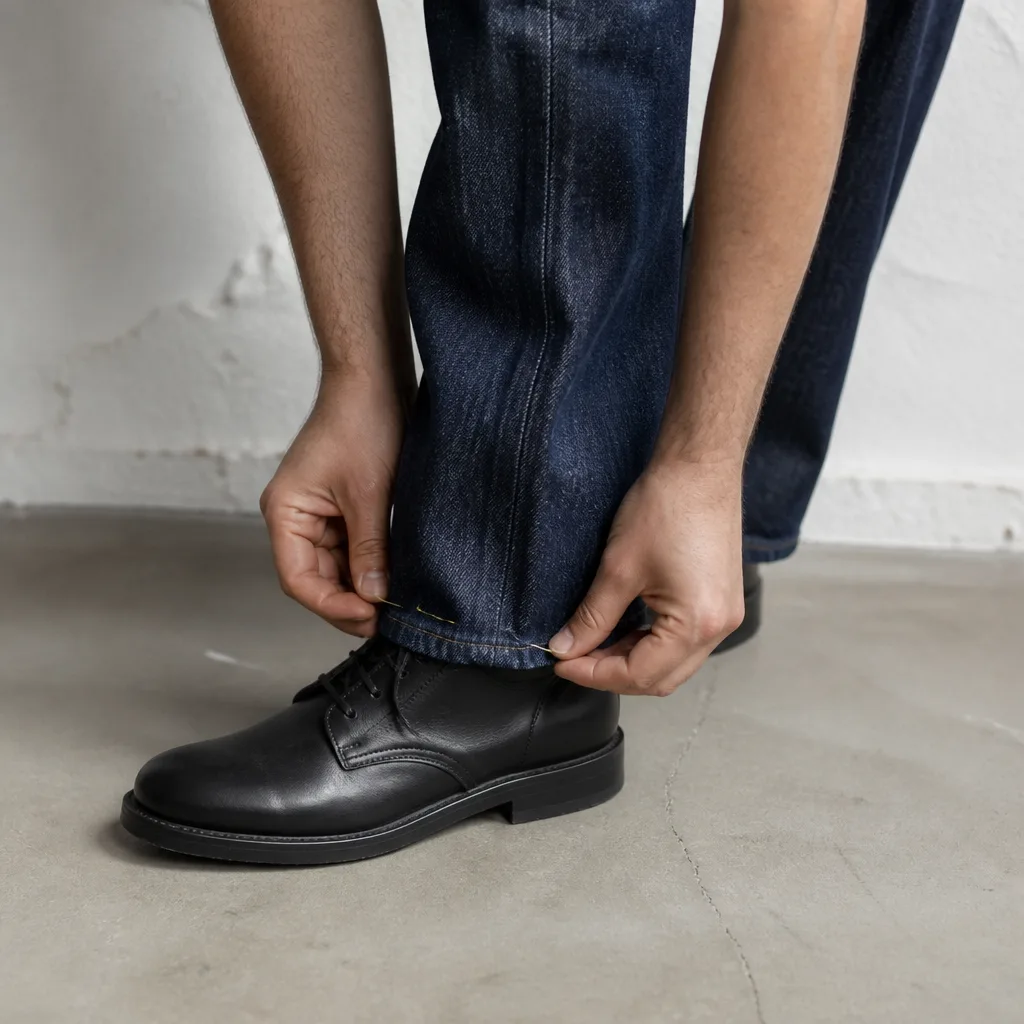
The original hem method reuses the factory hem instead of cutting it off. This is the method that keeps the characteristic worn, faded edge and the original chain stitching intact, which many jeans owners prefer for raw and heavily worn denim.
- Carefully unpick the original hem stitching with a seam ripper, without cutting the fabric.
- Press the leg to the new, shorter length so the original hem edge folds up on the inside, hidden under the leg.
- Pin the fold in place and try the jeans on again to confirm the length before sewing.
- Stitch through both layers close to the original hem line, ideally reusing the original stitch holes so the new stitching looks continuous with the existing hem.
- Press the new hem flat.
Because no fabric is cut away, this method is reversible and keeps the original faded hem edge visible from the outside, which is why it is favoured for jeans with strong fading or a coloured selvedge edge. It is, however, limited to how much length you can remove, since the folded fabric bunches up inside the leg if you shorten it by more than a few centimetres.
03
Standard cut and sew hem
For a larger length change, the leg is cut to the new length plus the hem allowance, folded under once or twice, pressed, and stitched. This is the standard approach used by most tailors and alteration shops and works for any amount of shortening.
| Step | What happens |
|---|---|
| Measure and mark | Pin the new length on both legs, checked evenly |
| Cut | Trim the excess fabric, leaving a hem allowance |
| Fold and press | Fold the raw edge under once or twice and press flat |
| Stitch | Sew close to the fold, by hand, on a regular machine, or with a chain stitch machine |
| Final press | Press the finished hem for a crisp, flat edge |
A double fold hem, where the raw edge is folded under twice before stitching, hides the cut edge completely and is the more durable, tidier option for everyday jeans. A single fold hem is quicker and keeps a slightly bulkier look that some people prefer for heavier denim.
04
Chain stitch versus regular stitch
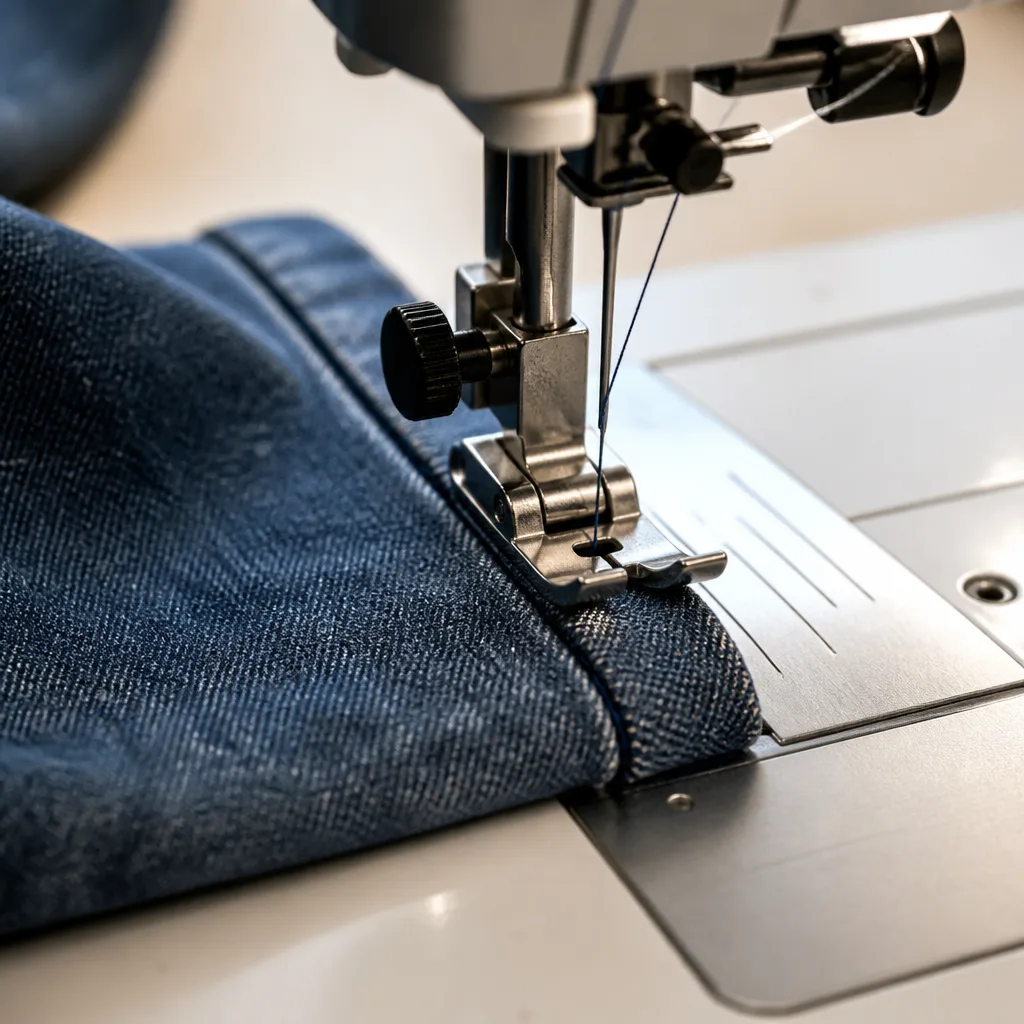
Factory jeans hems are usually sewn with a chain stitch, a specific stitch type made on a specialised machine that produces a slightly rippled, roped look on the outside of the hem as the jeans are washed and worn. A regular sewing machine produces a straight lockstitch instead, which lies flatter and does not develop that roping effect.
Neither stitch is objectively better. A lockstitch hem is easier to produce at home or at a general alterations shop and holds up perfectly well. A chain stitch hem is chosen mainly for its appearance over time and for matching the original factory hem, and normally requires a shop with the right machine. If matching the exact factory look matters to you, ask a tailor or denim specialist whether they offer chain stitch hemming before booking the alteration.
05
Tailor or do it yourself
Whether to hem your own jeans or take them to a tailor depends on your sewing experience, the tools available and how much you value an exact factory finish.
- A tailor or alterations shop is worth it for expensive or raw denim, for a chain stitch finish, or if you are not confident cutting and sewing thick fabric.
- Doing it yourself makes sense for casual jeans, when you already sew, or when you want to practise the original hem method to preserve fading.
- A household sewing machine can usually handle denim up to about 12 oz with a denim or jeans needle and polyester or core spun thread; heavier denim may need a walking foot or a machine rated for thick fabric.
If you are unsure which fit and length work best for your body before altering anything, our guide to jeans for different body types and the overview on how jeans should fit are useful starting points.
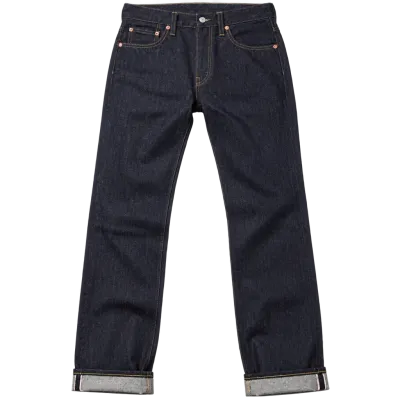 Matching productRaw selvedge jeansAmazon →
06
Cuffing as an alternative to hemming
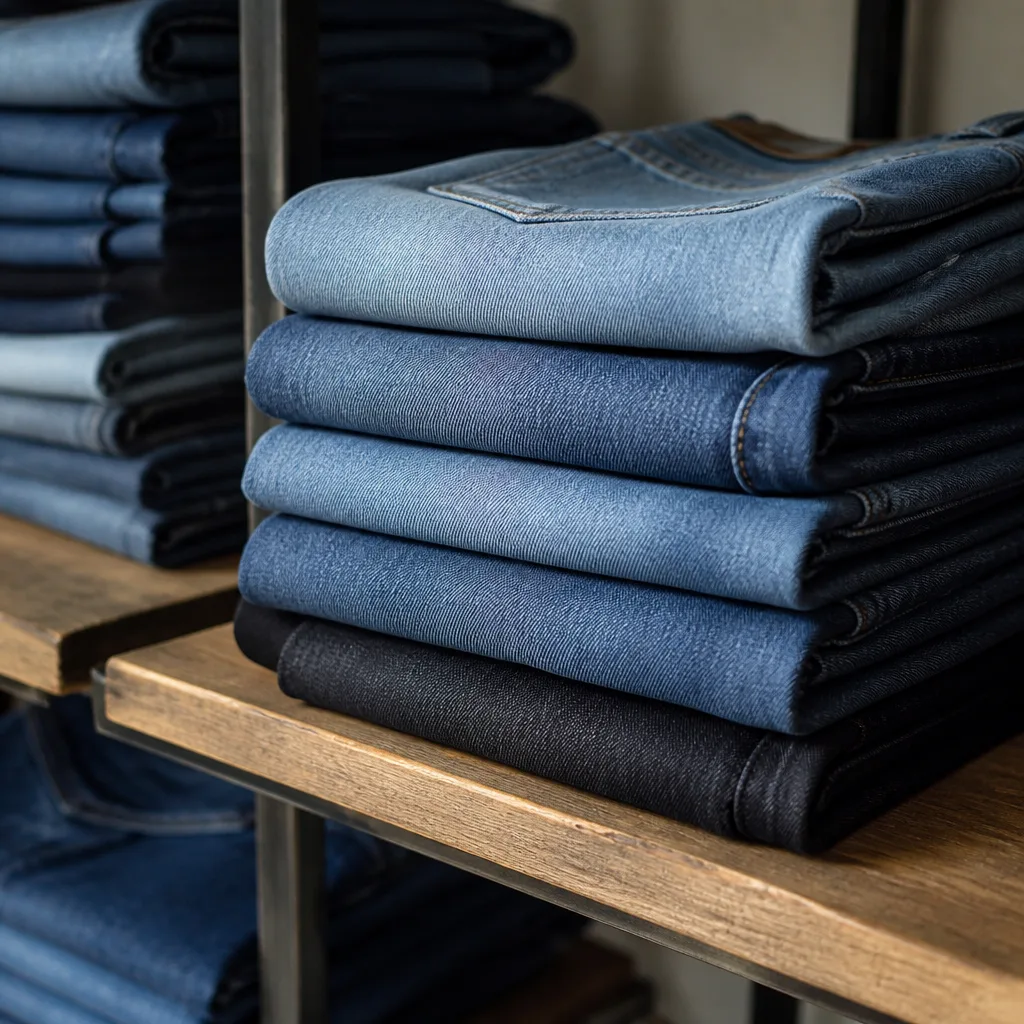
If you are not ready to commit to cutting your jeans, or you switch between shoes with different heel heights, cuffing, folding the hem up once or twice on the outside, is a reversible way to shorten the visible leg length. A single cuff of 2 to 4 cm suits slim and straight fits, while a wider double cuff of about 5 cm is common with relaxed, wide leg and boyfriend styles.
Cuffing works especially well with raw or selvedge denim, since a folded cuff can show off a coloured selvedge line or contrast underside fabric. It has limits though: cuffing adds bulk at the ankle, which can look wrong with skinny fits worn under boots, and it is not a permanent solution if you plan to keep the jeans at one length long term.
For background on how selvedge denim is made and why the edge is often shown off, see our selvedge denim guide and the selvedge glossary entry.
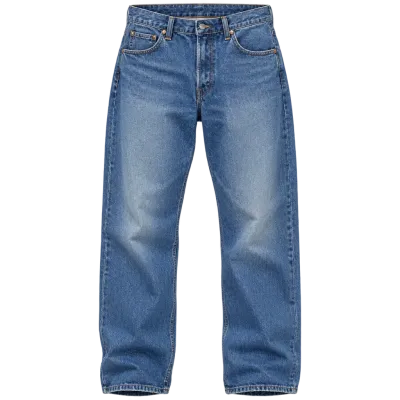 Matching productMen's relaxed jeansAmazon →
07
Frequently asked questions
How much does hemming shorten jeans on average
It depends entirely on your inseam and the style you want, but most alterations remove somewhere between 2 and 10 cm. Always measure your own jeans rather than relying on an average.
Can hemmed jeans be lengthened again later
Only if enough fabric was left in the hem allowance and the original hem method was used, since that keeps the extra fabric folded inside rather than cut away. A standard cut and sew hem removes the fabric permanently.
Do skinny and tapered jeans get hemmed differently to straight jeans
The hemming steps are the same, but the finished length usually differs: skinny and tapered jeans are often hemmed shorter, at or above the ankle, while straight and relaxed jeans are more often hemmed to a full break over the shoe.
What thread and needle are needed to hem jeans at home
A denim or jeans sewing machine needle and a strong polyester or core spun thread in a matching or contrasting colour are the usual choices, along with a seam ripper for unpicking and a hot iron for pressing the fold flat before stitching.
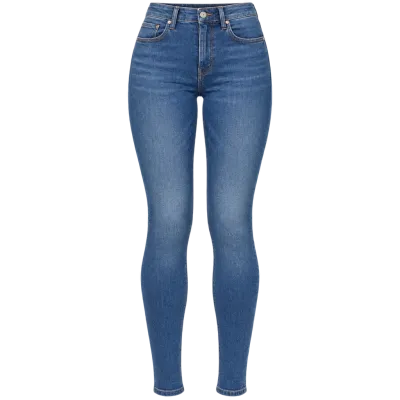 Matching productWomen's skinny jeansAmazon →
Explore
Read next
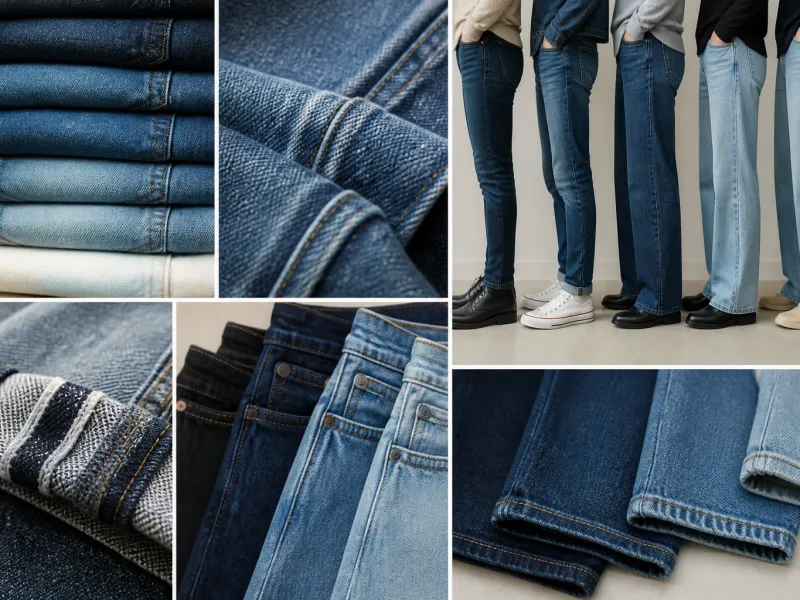 Jeans Fits and Cuts Explained: Skinny to Wide LegA complete overview of jeans fits and cuts, from skinny to wide leg, plus rise and length, with a comparison table and answers to common qu…
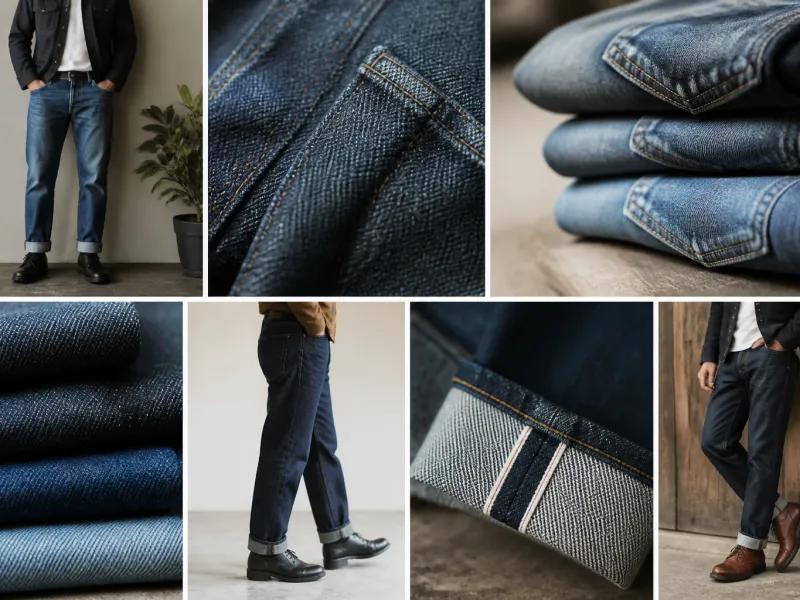 How to Buy Jeans: A Complete Buying GuideA practical, step by step guide to choosing jeans that actually fit, from measuring yourself to checking construction and buying online.
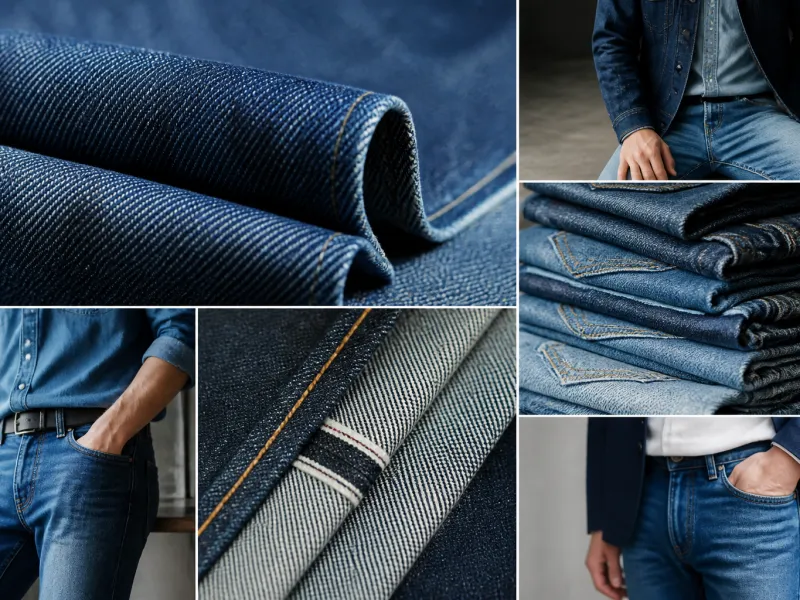 The Denim Guide: How Jeans Fabric Is MadeA clear explanation of denim fabric itself: weave, weight, yarn, dyeing and the regional traditions behind it.