
6 min read
Denim weight guide: light, mid and heavy explained
Denim weight tells you how thick and durable a fabric is. Here is what the ounce numbers mean and how to pick the right weight for your climate and habits.
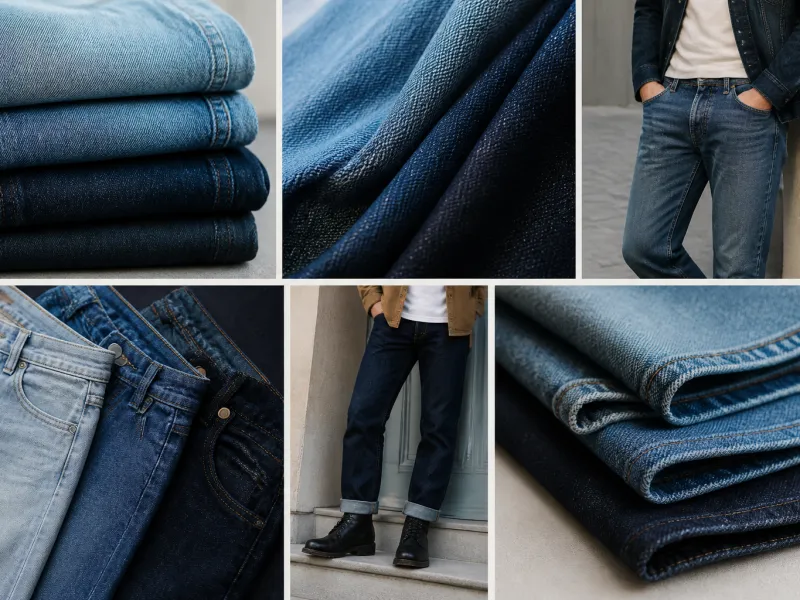
When you shop for jeans, you will often see a weight listed in ounces, such as 12 oz or 14.5 oz. This number is one of the most useful clues to how a pair of jeans will feel, wear and age, yet it is rarely explained clearly. This guide walks through what denim weight actually measures, how the common ranges differ in practice, and how to choose a weight that fits your climate and how hard you plan to wear your jeans.
01
What denim weight actually measures
Denim weight is expressed in ounces per square yard of fabric. A square yard of cloth is placed on a scale, and its weight in ounces becomes the number printed on the fabric label or product description. This is a measure of density and thickness, not of quality. A heavier fabric uses more cotton per square yard, which usually means a thicker, sturdier weave, while a lighter fabric uses less material and drapes more easily.
The number on its own does not tell you about the weave, the yarn, or the finishing, so two jeans at the same weight can still feel quite different depending on how they were constructed. Weight is best read alongside other details such as the twill weave and whether the fabric is stretch denim or fully rigid.
It also helps to remember that weight is measured before the fabric is cut and sewn, so the finished garment can feel slightly different once seams, pockets and a waistband have been added. A pair of jeans made from 12 oz fabric will still be described as mid weight denim, even though the layered seams at the outer leg or waistband are noticeably thicker than the flat fabric on its own.
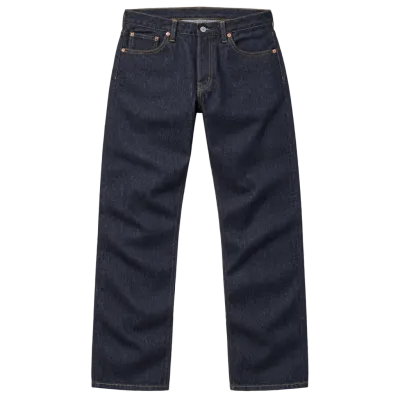 Matching productHeavyweight denim jeansAmazon →
02
Light denim: roughly 4 to 10 oz
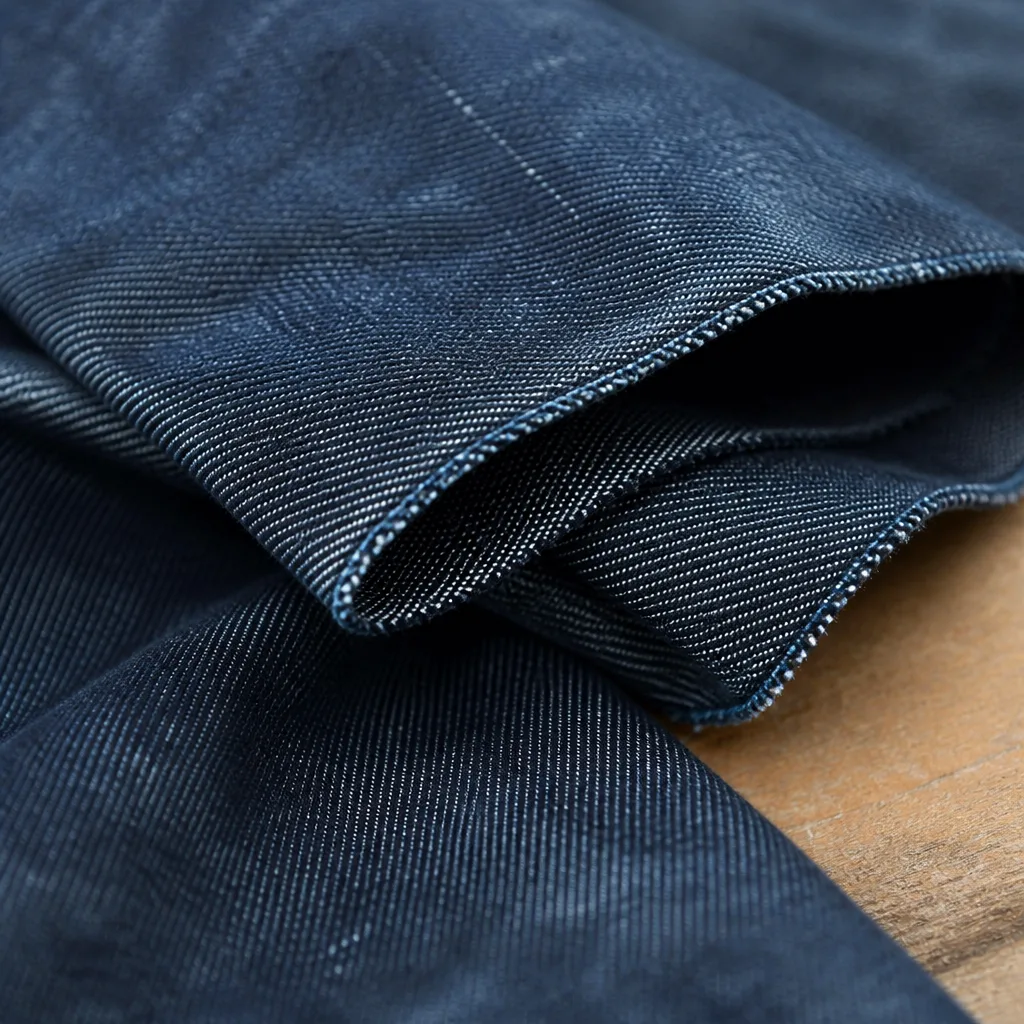
Light denim sits at the lower end of the scale, generally between about 4 and 10 ounces per square yard. It is thin, soft from the first wear and drapes close to the body rather than standing away from it. This weight is common in jeans made for warm climates, in denim shirts and jackets meant to be worn over other layers, and in blends that include elastane for extra give.
The main trade off with light denim is durability. Because there is less fabric per square inch, light denim shows wear, such as thinning at the knees or seat, sooner than heavier cloth. It is a practical choice if you want jeans that feel comfortable immediately, are easy to pack for travel, or are mainly worn in hot weather.
03
Mid weight denim: roughly 11 to 14 oz
Mid weight denim, typically around 11 to 14 ounces, is the range most everyday jeans fall into. It balances comfort with reasonable durability, and it works across a wide range of temperatures, which is why it is often described as an all season option. Most stretch jeans and many straight or slim fits sit in this range, since it is thick enough to hold its shape but not so heavy that it feels stiff.
If you are unsure which weight to choose and want a single pair that works for most situations, mid weight denim, somewhere close to 12 oz, is usually the safest starting point. It is also the weight most commonly referenced when people compare denim in general terms, since it represents a practical middle ground rather than an extreme.
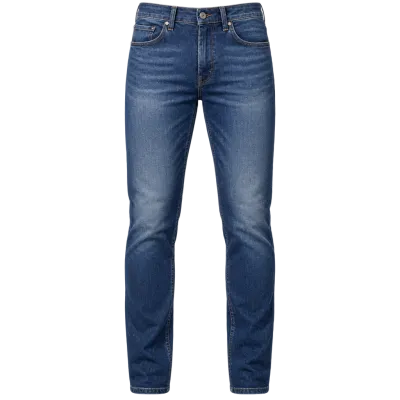 Matching productMen's slim jeansAmazon →
04
Heavy denim: roughly 14.5 oz and up
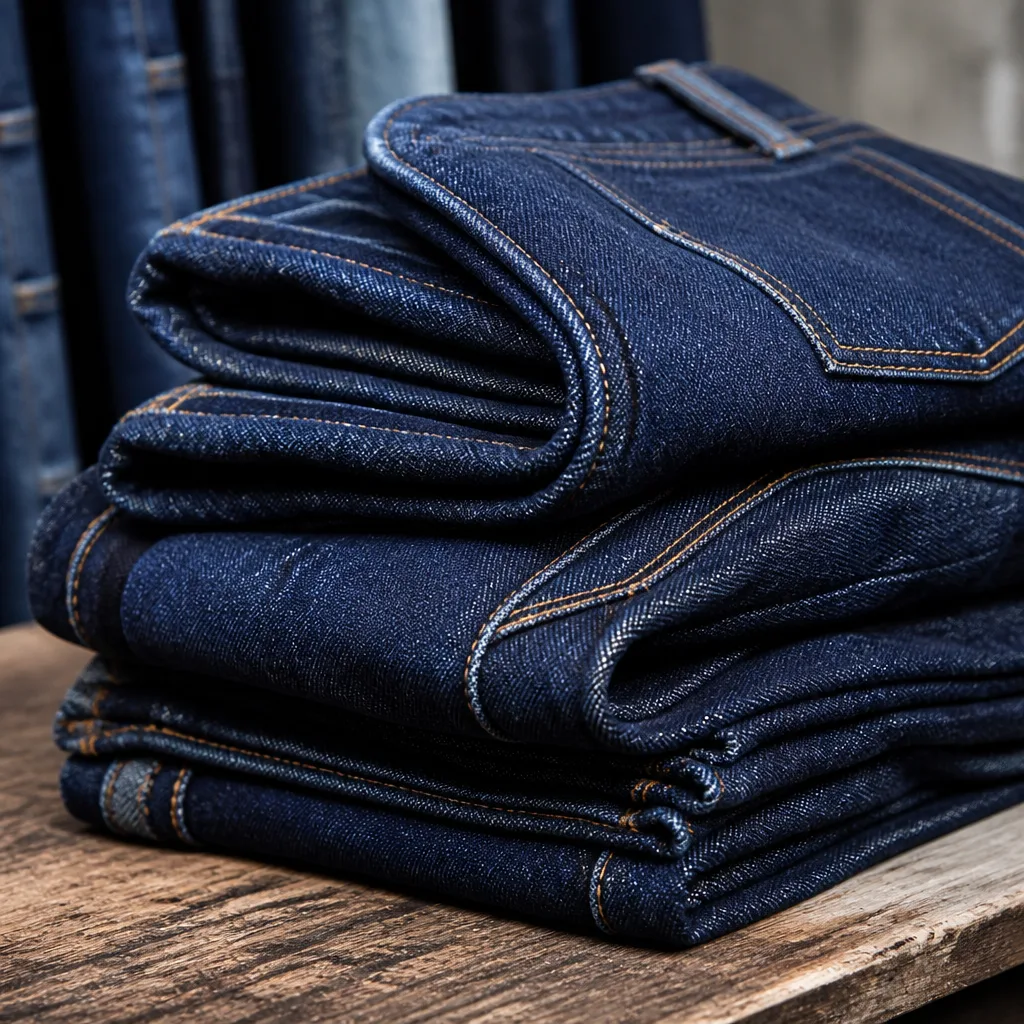
Heavy denim starts around 14.5 ounces and can go well beyond 20 ounces in specialist fabrics. It is thick, stiff when new, and noticeably more resistant to abrasion than lighter cloth. Heavy denim is closely associated with raw denim, since unwashed, untreated fabric is often woven at these weights to reward a long break in period with strong, high contrast fading.
Heavy denim tends to run warmer, so it suits cooler climates or seasons better than hot ones. It also takes longer to soften, and a new pair can feel noticeably rigid for the first few weeks of regular wear. In exchange, it typically outlasts lighter fabric under the same conditions, which is part of why it appeals to people who want jeans to age slowly and visibly over months or years.
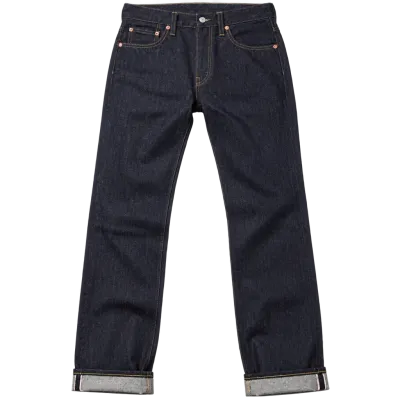 Matching productRaw selvedge jeansAmazon →
05
Denim weight at a glance
| Weight range | Category | Typical feel | Best suited to |
|---|---|---|---|
| 4 to 10 oz | Light | Soft, thin, drapes easily | Warm weather, layering pieces, travel |
| 11 to 14 oz | Mid weight | Balanced, holds shape without stiffness | Everyday wear, most climates |
| 14.5 to 18 oz | Heavy | Thick, structured, slow to soften | Cooler seasons, raw denim, durability |
| 18 oz and above | Very heavy | Rigid, stands on its own when new | Enthusiast raw denim, cold climates |
06
Weight, season and how you wear your jeans
Climate is the most practical factor when choosing a weight. In warm or humid conditions, light to mid weight denim is generally more comfortable, since heavier fabric traps more heat against the skin. In cold or temperate climates, mid to heavy denim adds a layer of insulation and tends to feel appropriate against thicker socks and boots.
How you use your jeans matters too. If you sit for long periods, cycle, or need to move freely, a lighter or stretch fabric is usually more forgiving. If you work outdoors, kneel often, or simply prefer jeans that develop character over years of wear, a heavier and more rigid fabric will generally hold up better under repeated friction. None of this is a strict rule, since weave and finishing also affect how a fabric performs, but weight remains a useful first filter.
07
Break in period by weight
Heavier and more rigid fabrics take longer to soften and mould to your body. A very heavy raw denim can feel almost board like for the first several wears, gradually relaxing at the knees and hips as the fibres flex and the yarn compresses. Light denim, and any fabric blended with elastane, softens almost immediately and needs little to no break in time.
If you are new to heavier denim, expect the first few weeks to feel stiffer than you are used to, especially around the waistband and thighs. This is normal and part of how heavy denim is designed to behave, rather than a sign that the fit is wrong. For more on how fabric should sit once broken in, see our guide on how jeans should fit.
Movement speeds up the break in process considerably. Regular wear, sitting, walking and bending, flexes the yarn at the knees, hips and waistband far more effectively than leaving jeans folded in a drawer. Some people choose to wear heavy denim for consecutive days early on specifically to accelerate this softening, though there is no single correct schedule and comfort should always take priority over any particular routine.
08
Frequently asked questions
Is heavier denim always better quality?
No. Weight measures thickness and density, not quality. A well constructed light denim can outlast a poorly made heavy denim, so weight should be read alongside the weave, yarn type and finishing rather than on its own.
What weight is best for everyday jeans?
Mid weight denim, roughly 11 to 14 oz, suits most everyday use and most climates, which is why it is the most common weight for general purpose jeans.
Does weight affect how jeans should be washed?
Weight itself does not change the basic washing steps, but heavier and raw denim is often washed less frequently to preserve fading. Our guide on how to wash jeans covers this in detail.
Can I tell the weight of jeans just by touching them?
You can estimate roughly, since heavier denim feels noticeably thicker and stiffer, but the exact ounce figure is usually only available on the product label or description, as touch alone cannot give a precise number.
Does denim weight change after washing?
The weave itself does not change, but shrinkage can make a garment fit more snugly, which can feel like a change in substance even though the ounce per square yard figure of the cloth stays essentially the same.
Is heavy denim always raw or unwashed?
No. Heavy denim can be washed and finished just like lighter fabric. Heavy weights are simply more commonly used for raw denim because the combination suits the slow fading process many raw denim wearers are looking for.
 Matching productDenim wash detergentAmazon →
Explore
Read next
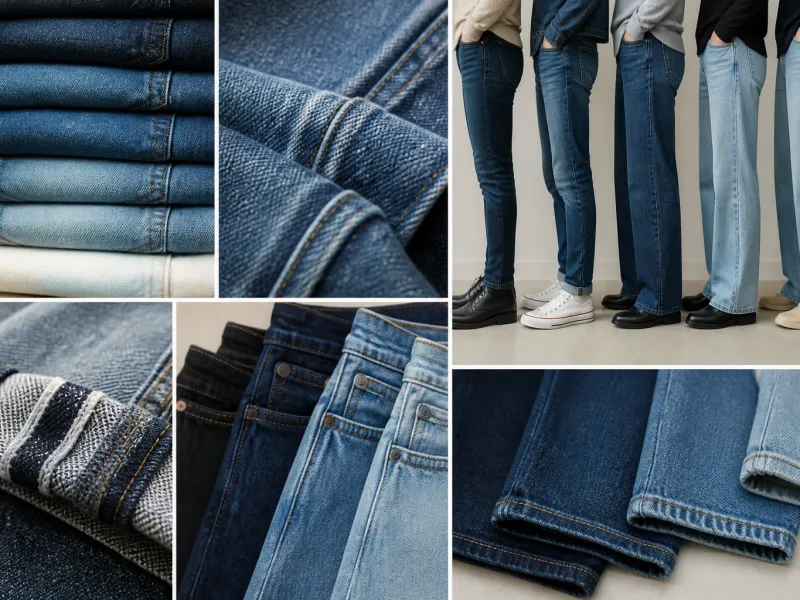 Jeans Fits and Cuts Explained: Skinny to Wide LegA complete overview of jeans fits and cuts, from skinny to wide leg, plus rise and length, with a comparison table and answers to common qu…
 How to Buy Jeans: A Complete Buying GuideA practical, step by step guide to choosing jeans that actually fit, from measuring yourself to checking construction and buying online.
 The Denim Guide: How Jeans Fabric Is MadeA clear explanation of denim fabric itself: weave, weight, yarn, dyeing and the regional traditions behind it.