
6 min read
Raw Denim Guide: Sizing, Break In and the First Wash
Everything to know about raw denim, from what it actually is to sizing, breaking it in, the first wash and how fades develop.
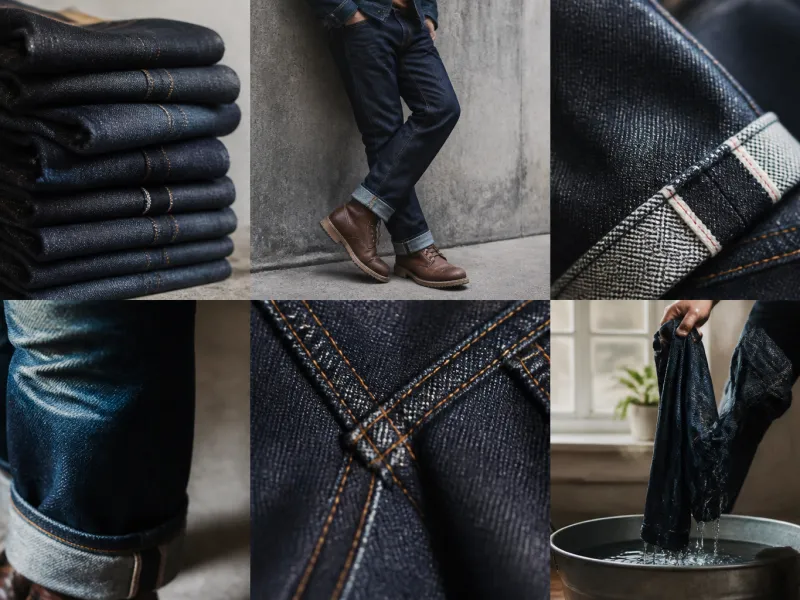
Raw denim is denim that has not been washed or treated after it was dyed and woven, so it keeps a stiff hand feel and a deep, even indigo colour straight from the loom. Over time, wear creates a personal pattern of fading that is unique to how you move, sit and use your legs, which is a large part of raw denim's appeal.
This guide explains what raw denim actually is, how to size and care for it, and what to expect from the break in process and the first wash.
01
What raw denim is
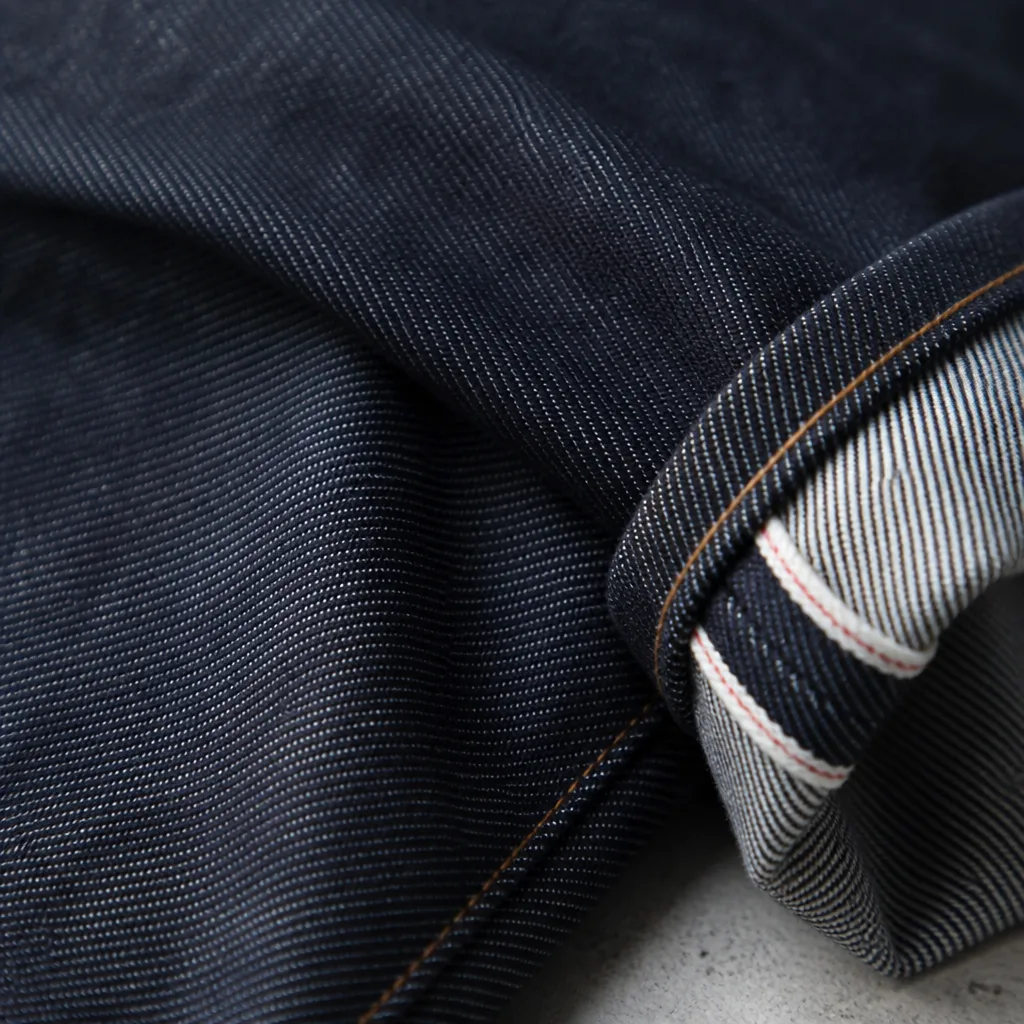
Raw, or unwashed, denim is fabric that goes straight from dyeing and weaving into a finished garment without any washing, stonewashing or distressing applied afterwards. Most denim sold today is pre-washed at the factory to soften it and give it an immediate worn in look, but raw denim skips this step. The result is a stiffer fabric with a strong indigo colour, since indigo dye sits mostly on the surface of the yarn and has not yet been softened or abraded by any washing process.
Raw denim can be either sanforized or unsanforized. Sanforized denim has gone through a mechanical pre-shrinking process during manufacturing, so it will only shrink slightly, typically about one to three percent, after its first wash. Unsanforized denim has not been pre-shrunk this way and will shrink considerably more, often five to ten percent, the first time it gets wet. Check which type you have before making any sizing decisions.
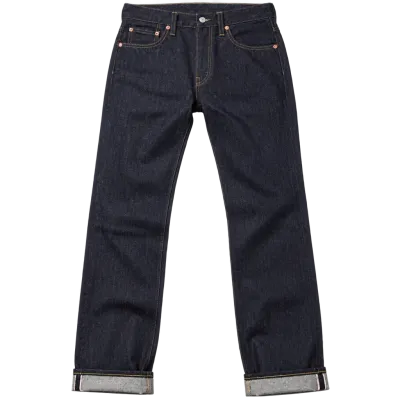 Matching productRaw selvedge jeansAmazon →
02
Sizing for shrinkage
If your denim is sanforized, you can generally buy your usual size, since the small amount of shrinkage will be similar to normal cotton laundering. If your denim is unsanforized, it is common to buy a size that allows for the fabric to shrink down after its first wash, since the jeans will measure noticeably smaller in the waist and inseam afterwards than they did off the shelf. Because shrinkage amounts vary by fabric and are hard to predict precisely, our size guide is worth reading alongside this one, and checking any shrinkage figures the manufacturer provides is the most reliable approach.
03
The break in period
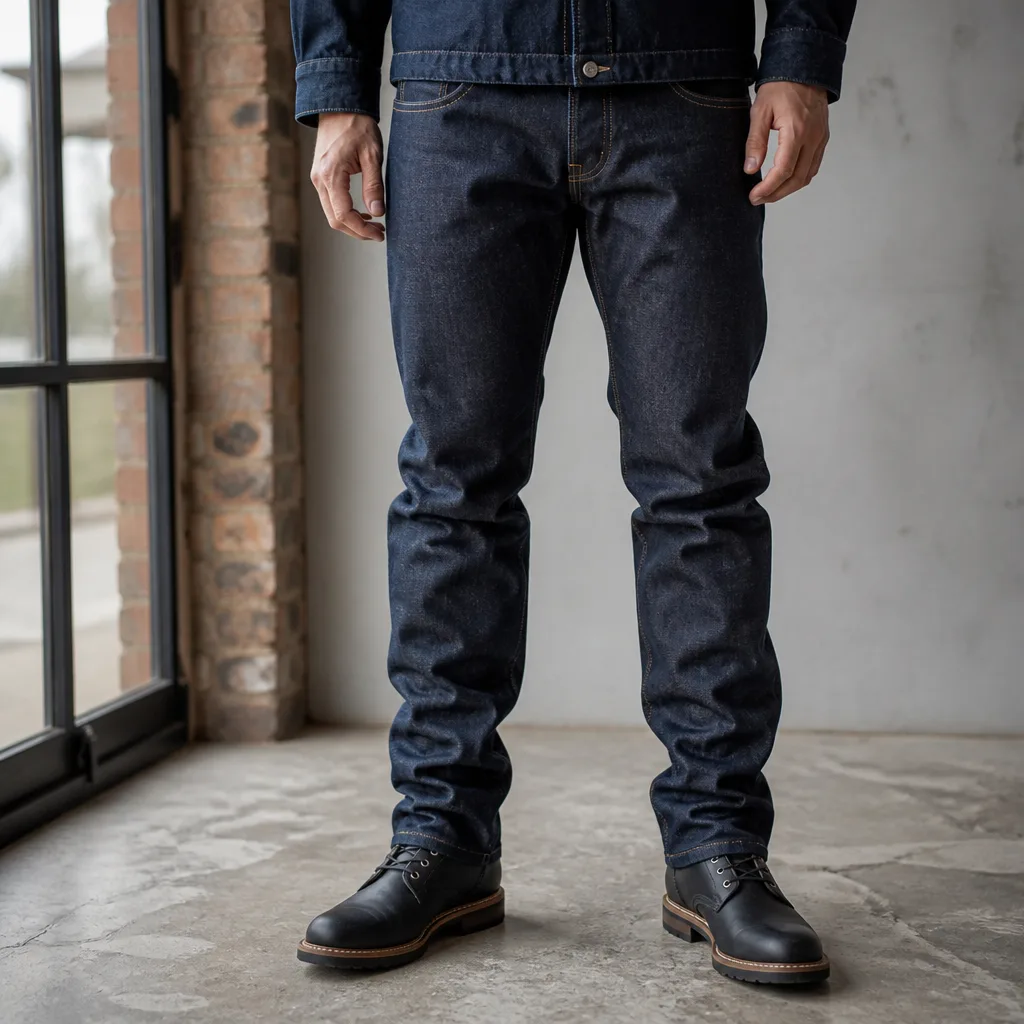
Breaking in raw denim simply means wearing it regularly until the stiff fabric softens and starts to mould to your body's movement. There is no single correct method, but a few general approaches are common. Some people wear their raw denim as often as possible for weeks or months before the first wash, to let creases form at the knees, behind the knees and around the waist and pockets, which later become the basis for visible fade patterns. Others prefer to wash sooner for comfort and hygiene, accepting a softer but less dramatic fade later on.
During break in, the fabric will soften noticeably within the first few weeks of regular wear, as the fibres relax and the surface indigo begins to rub away slightly at points of friction, such as the thighs, knees and pocket edges.
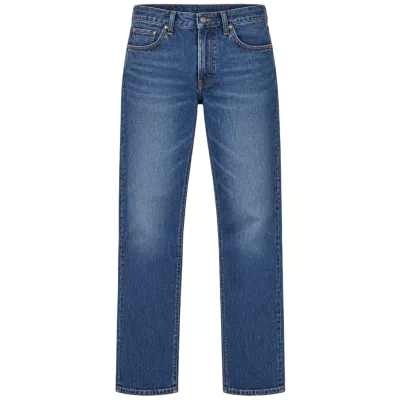 Matching productMen's straight jeansAmazon →
04
What to expect in the first few months
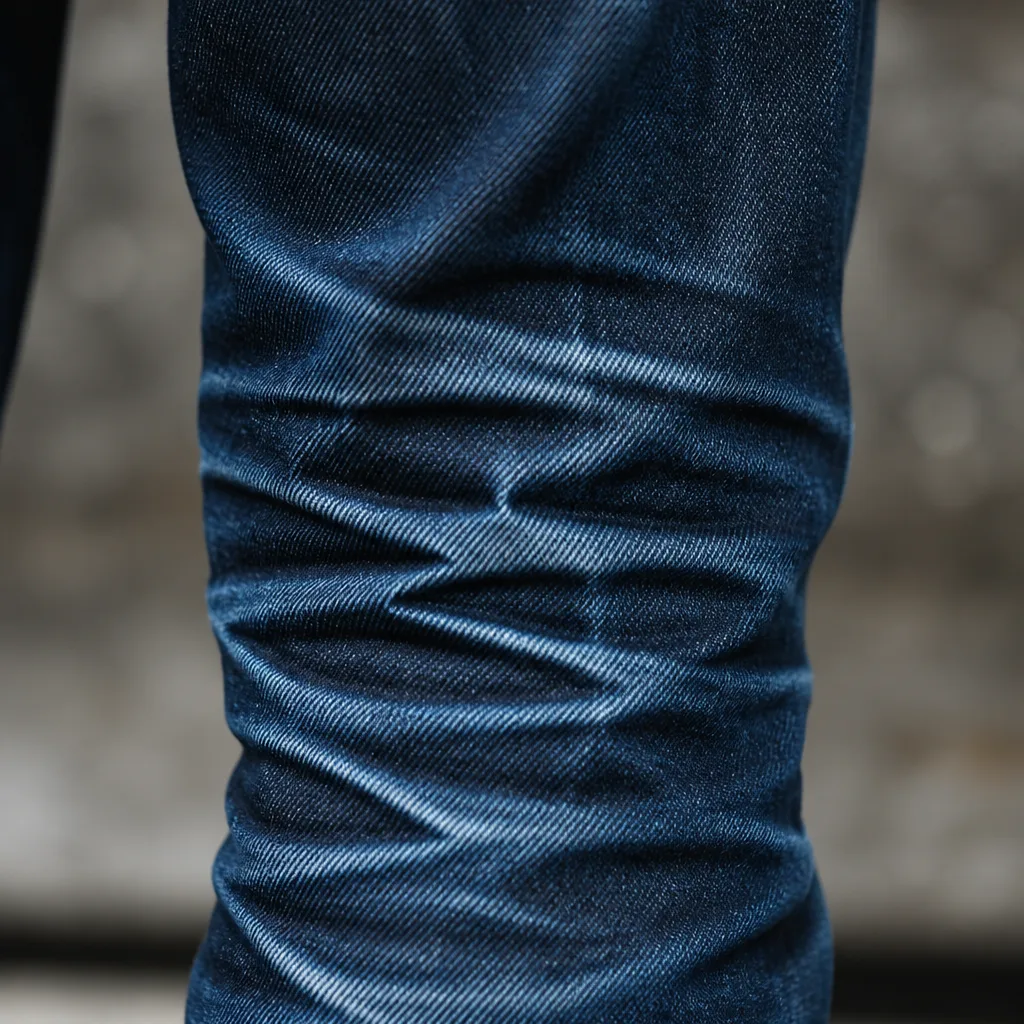
In the early weeks of wearing raw denim, expect the fabric to soften noticeably and for the deep, even indigo colour to begin developing subtle variation at points of repeated friction. Whiskers, the fine diagonal fade lines that form across the front of the hips and thighs, and honeycombs, the softer creasing that appears behind the knees, typically start to become visible within the first couple of months of regular wear, though the exact timing depends heavily on how often the jeans are worn and how the wearer moves. Patience matters here: fades that develop slowly and naturally from genuine wear tend to look more even and more personal than fades that are rushed or forced.
It is normal for raw denim to feel tight or stiff across the thighs and waistband in the first days of wear, particularly if you have sized down slightly to allow for shrinkage. This should ease within one to two weeks of regular wear as the fabric relaxes, rather than remaining uncomfortable indefinitely. If tightness does not improve at all after a few weeks of wear, the size or cut may simply not be right for your body, and our fit guide can help you check.
05
The first wash
When you do wash raw denim for the first time, turn the jeans inside out to reduce surface abrasion and colour loss on the outer face, and wash them in cold water on a gentle cycle, or by hand, to limit shrinkage and fading. Avoid hot water, since heat increases both shrinkage and dye loss. Skip the tumble dryer if possible and instead hang or lay the jeans flat to dry, since dryer heat can cause further shrinkage and can be harder to predict or reverse.
Many raw denim wearers deliberately delay the first wash for months to let fades develop first, though there is no fixed rule about timing, and washing whenever it suits you, sooner or later, will not damage the fabric.
 Matching productDenim wash detergentAmazon →
06
How fades develop
Fading happens because indigo is a surface dye rather than a dye that penetrates fully through the cotton fibre. Repeated friction and flexing at specific points on the jeans, such as behind the knees, at the top of the thighs, and around the waistband and pockets, gradually wears the surface indigo away faster than in areas that see less movement, revealing the lighter, undyed core of the yarn beneath. Because everyone moves differently, sits differently and carries different things in their pockets, these fade patterns end up different for every wearer, even on identical jeans.
07
Ongoing care
Raw denim generally needs washing far less often than most clothing, since infrequent washing is part of what allows strong fade patterns to develop. Airing jeans out between wears, and spot cleaning small marks with a damp cloth, can extend the time between full washes considerably. When you do wash, the same cold water, inside out, gentle approach used for the first wash remains the best method going forward. Our guide to washing jeans covers general washing advice for all types of denim in more depth.
08
Choosing between raw and pre-washed denim
Raw denim rewards patience and suits people who like the idea of a garment that visibly changes and personalises itself with wear. Pre-washed denim gives an immediate soft feel and an established look from the first wear, without the waiting period. Neither is objectively better, and the choice comes down to whether you value the process of breaking a pair in or prefer convenience from day one. If you are drawn to raw denim specifically because of its weave and edge finishing, our selvedge denim guide explains that related topic in full.
09
Frequently asked questions
Do I need to buy raw denim a size larger?
Only if it is unsanforized, since that type shrinks noticeably, often five to ten percent, after its first wash. Sanforized raw denim only shrinks slightly and can generally be bought at your usual size.
How long should I wear raw denim before washing it?
There is no fixed rule. Some people wait months to develop strong fades before the first wash, while others wash sooner for comfort. Both approaches are fine.
Why does raw denim fade in specific patterns?
Indigo dye sits mainly on the surface of the yarn. Repeated friction at points like the knees and thighs wears this surface dye away faster than elsewhere, revealing lighter fabric beneath and creating a pattern unique to how you wear the jeans.
Should I wash raw denim in hot or cold water?
Cold water is recommended, since it reduces both shrinkage and colour loss compared with hot water. Washing inside out on a gentle cycle, or by hand, further protects the surface colour.
Is raw denim stiffer than regular jeans?
Yes, initially. Raw denim has not been pre-washed or softened, so it feels stiffer when new and softens gradually with wear as the fibres relax.
Explore
Read next
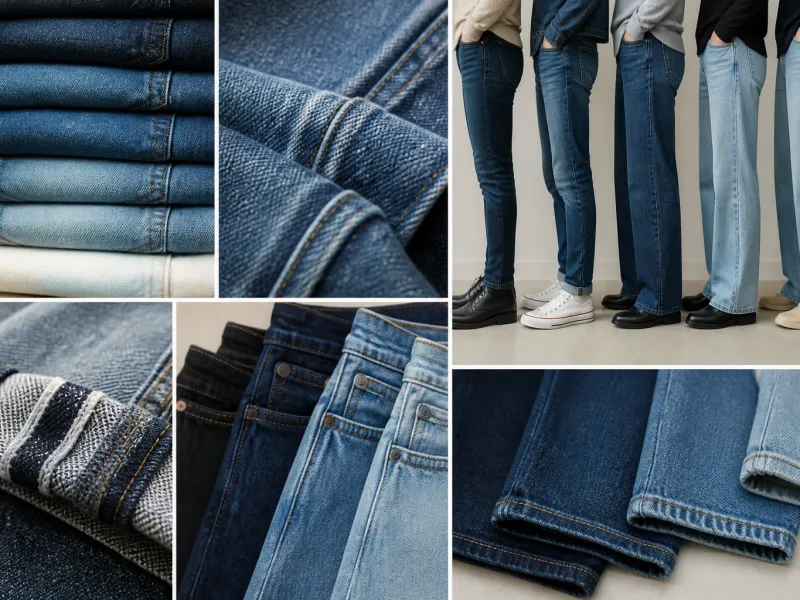 Jeans Fits and Cuts Explained: Skinny to Wide LegA complete overview of jeans fits and cuts, from skinny to wide leg, plus rise and length, with a comparison table and answers to common qu…
 How to Buy Jeans: A Complete Buying GuideA practical, step by step guide to choosing jeans that actually fit, from measuring yourself to checking construction and buying online.
 The Denim Guide: How Jeans Fabric Is MadeA clear explanation of denim fabric itself: weave, weight, yarn, dyeing and the regional traditions behind it.