
6 min read
How to wash jeans properly (without ruining the fit or colour)
Washing jeans the right way protects the colour, the fabric and the fit. Here is a simple, practical routine you can follow every time.
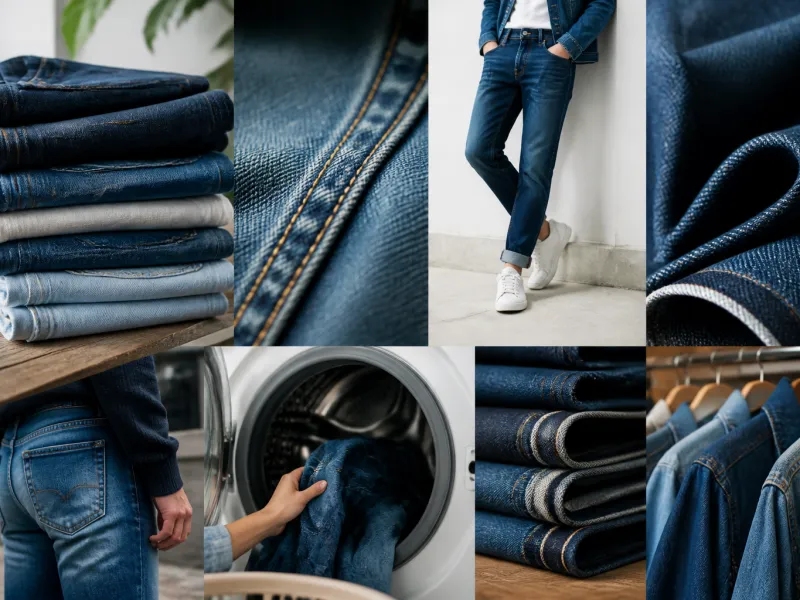
Jeans are built to last, but the way you wash them has a big influence on how long the colour, shape and fabric hold up. Washing too often, using hot water or tumble drying on high heat are among the most common reasons jeans fade unevenly, shrink unexpectedly or lose their fit. This guide sets out a simple, practical routine for washing jeans, along with specific notes for raw denim and advice on dealing with stains.
01
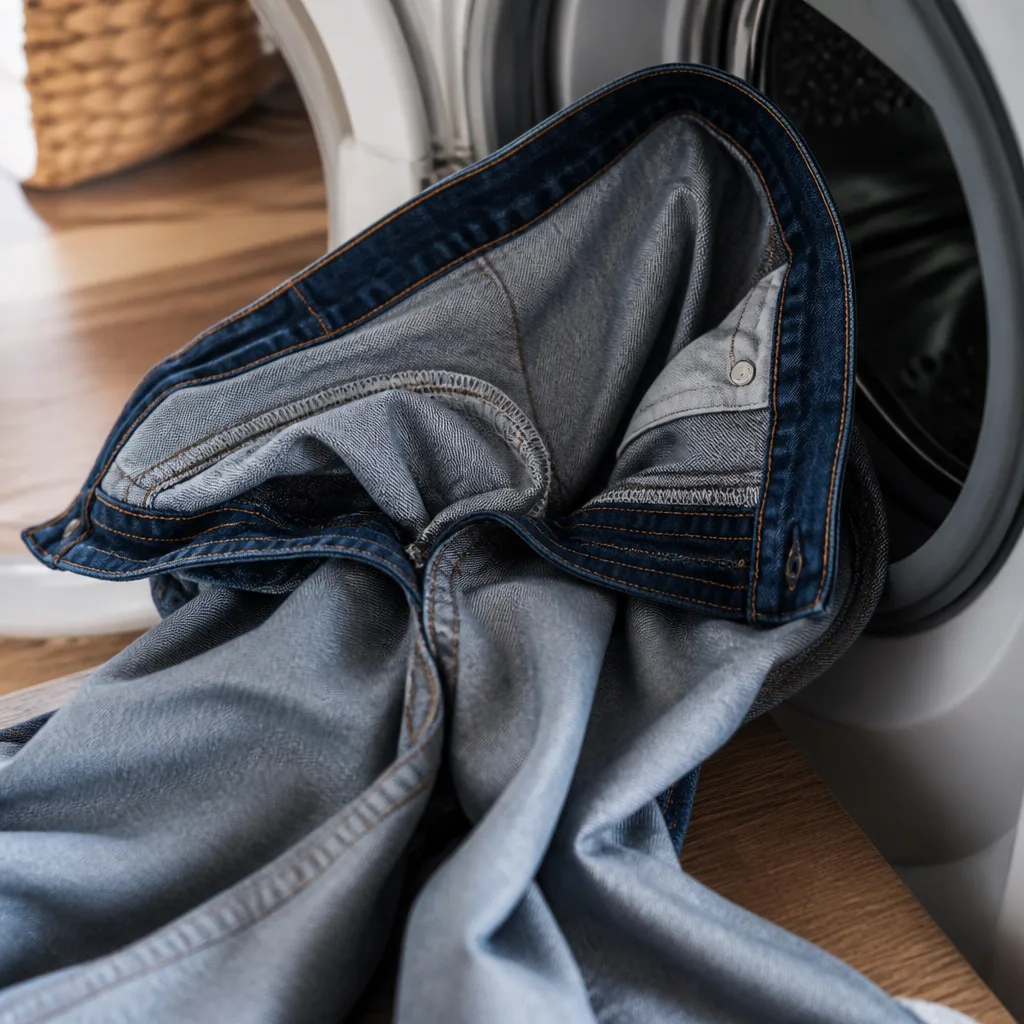
Turn them inside out first
Before washing, always turn your jeans inside out. The outer surface of the fabric, where the colour is most visible, is protected from direct friction against the drum of the machine, other clothing and the detergent itself. This single step does more to preserve colour than almost any other part of the washing process, since most fading from washing happens through abrasion against the fabric surface, not from the water itself.
While you are at it, close any zips and buttons and empty the pockets. A closed zip prevents it from catching on other fabric, and an empty pocket avoids items being trapped against the denim during the wash.
 Matching productDenim wash detergentAmazon →
02
Choose cold water
Wash jeans in cold water whenever possible, generally around 30 degrees Celsius or lower. Cold water reduces the amount of dye that washes out with each cycle, since indigo dye sits on the surface of the yarn and is more easily stripped by heat and agitation. Cold water also lowers the risk of shrinkage, which matters most for unsanforized denim that has not yet been through its first wash.
Hot water is rarely necessary for jeans, since denim does not usually carry the kind of soiling that requires high temperatures to remove. Reserve warmer washes for genuinely heavy staining rather than as a routine setting.
Temperature also affects the fabric's fibres over time. Repeated exposure to heat gradually weakens cotton, which can make seams and stress points more prone to fraying after many wash cycles. Keeping washes cold is therefore not only about colour retention but also a simple way to extend the working life of the garment as a whole.
03
Use a mild detergent
A mild, gentle detergent is enough for most jeans. Strong detergents, and especially those with optical brighteners or bleach, can dull indigo colour over time and are best avoided. Use a smaller amount than you might for other laundry, since excess detergent can leave residue in heavier denim that is harder to rinse out fully.
Fabric softener is optional and, for stretch denim in particular, using it sparingly or skipping it altogether can help the fabric keep its recovery and elasticity over time.
Reading the care label before the first wash is worth the extra minute, since some jeans include specific manufacturer guidance, such as recommended temperature or a note about washing separately for the first few cycles, that can differ from these general defaults.
 Matching productComfort stretch jeansAmazon →
04
Machine washing versus hand washing
Machine washing is suitable for most everyday jeans. Use a gentle or delicate cycle, wash jeans with similar colours to avoid dye transfer, and avoid overloading the machine so the fabric has room to move without excessive rubbing against other items.
Hand washing is a gentler alternative and is often recommended for raw denim, heavier weights, or jeans you want to keep looking close to new for as long as possible. To hand wash, fill a basin with cold water, add a small amount of mild detergent, submerge the jeans inside out, and gently agitate with your hands for a few minutes before rinsing thoroughly in clean cold water.
| Method | Best for | Key points |
|---|---|---|
| Machine, gentle cycle | Everyday jeans, stretch denim | Inside out, cold water, mild detergent, similar colours |
| Hand washing | Raw denim, heavier weights | Cold water, gentle agitation, thorough rinse |
| Spot cleaning | Small marks between full washes | Damp cloth, mild soap, air dry |
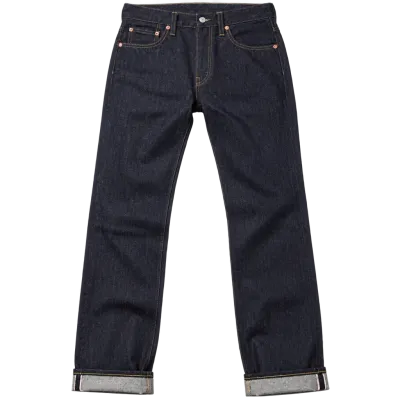 Matching productRaw selvedge jeansAmazon →
05
Drying without damaging the fit
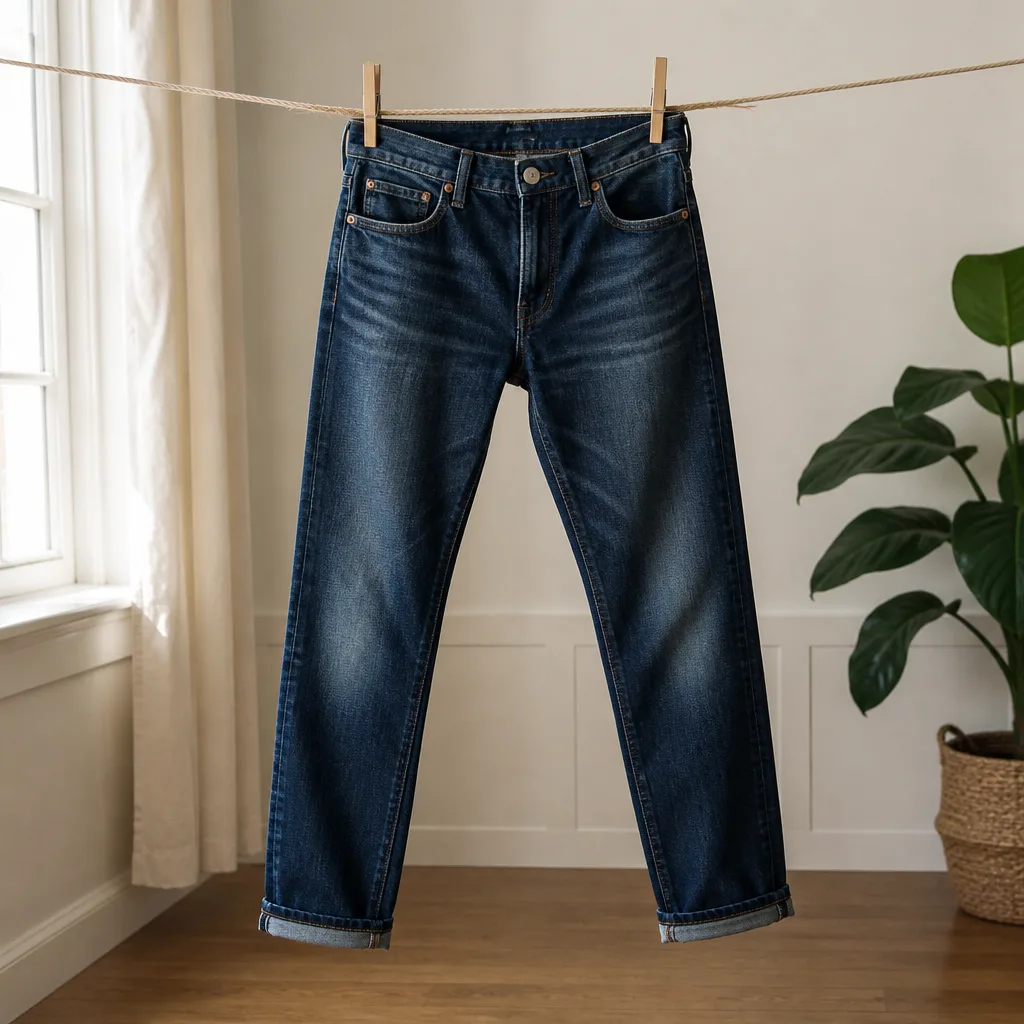
Air drying is the gentlest option for jeans of any weight. Hang them by the waistband or lay them flat on a clean towel, away from direct heat sources and prolonged direct sunlight, which can cause uneven fading. Air drying also avoids the heat related shrinkage that tumble drying can cause, particularly in denim that has not been pre shrunk.
If you do use a tumble dryer, choose a low heat setting and remove the jeans while they are still slightly damp to reduce shrinkage and stiffness. High heat over repeated cycles is one of the more common causes of jeans becoming noticeably tighter or shorter than when they were bought.
06
How often should you wash jeans
Jeans do not need washing after every wear. Many people wash their jeans every four to ten wears, or simply when they notice odour, visible dirt or stains, whichever comes first. Denim is a durable, tightly woven fabric that does not pick up body odour as quickly as finer materials, and washing less often reduces the fading, shrinkage and wear that repeated laundering causes.
Between washes, airing jeans out, spot cleaning small marks and, in some cases, placing them in a freezer for a few hours are all used by denim enthusiasts as alternatives to a full wash, particularly for raw denim where less frequent washing is part of building distinct fades. A freezer is generally understood to reduce odour rather than to meaningfully clean fabric, since it does not remove dirt, oils or bacteria in the way that washing with water and detergent does, so it works best as an occasional refresh between genuine washes rather than a replacement for them.
07
Raw denim: special considerations
Raw denim has not been washed or treated after dyeing, so its first wash matters more than any that follow. Many owners wait several months before the first wash to allow fading to develop at the creases and stress points, a process often described as breaking in the fabric through wear rather than washing. When the first wash does happen, cold water and hand washing or a gentle machine cycle are strongly recommended to control shrinkage, particularly with unsanforized denim, which can shrink noticeably, roughly 5 to 10 percent, on its first contact with water.
For more detail on how raw denim behaves over time, see our dedicated raw denim guide.
08
Dealing with stains
For most stains, act as soon as possible rather than waiting for the next full wash. Blot, rather than rub, excess liquid with a clean cloth, then treat the area with a small amount of mild detergent worked in gently with cool water before rinsing. Rubbing tends to push a stain deeper into the weave and can also disturb the surface colour of the denim.
For oil based stains, a small amount of dish soap applied directly to the mark before washing can help lift the oil. For general dirt or mud, allow it to dry fully first, then brush it off before spot cleaning the remaining mark. Always test any spot treatment on an inside seam first if you are concerned about colour change.
09
Frequently asked questions
Should jeans be washed in cold or warm water?
Cold water is recommended for almost all jeans, since it preserves colour and reduces the risk of shrinkage compared with warm or hot water.
Is it necessary to wash jeans after every wear?
No. Most jeans can be worn multiple times between washes, commonly every four to ten wears, unless they are visibly dirty or have developed odour.
Can raw denim be machine washed?
Yes, though hand washing or a gentle cold cycle is generally preferred, especially for the first wash, to better control shrinkage and protect the developing fades.
Why do jeans fade in the wash even when cared for properly?
Indigo dye sits on the surface of the yarn rather than penetrating it fully, so some gradual fading from washing and wear is normal and expected, even with careful care.
Explore
Read next
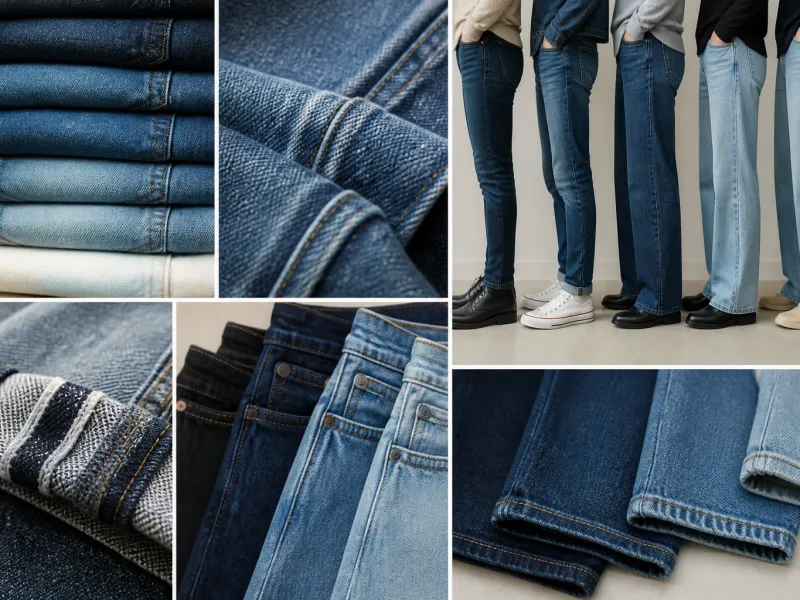 Jeans Fits and Cuts Explained: Skinny to Wide LegA complete overview of jeans fits and cuts, from skinny to wide leg, plus rise and length, with a comparison table and answers to common qu…
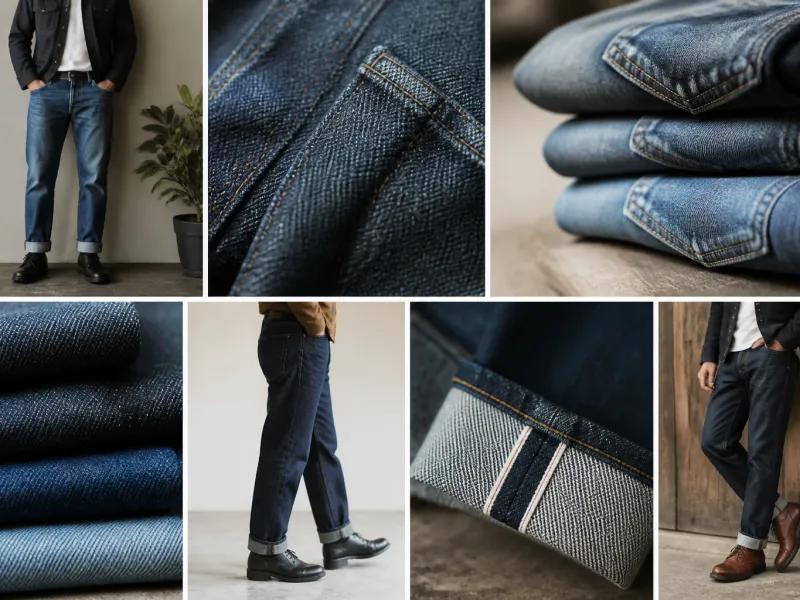 How to Buy Jeans: A Complete Buying GuideA practical, step by step guide to choosing jeans that actually fit, from measuring yourself to checking construction and buying online.
 The Denim Guide: How Jeans Fabric Is MadeA clear explanation of denim fabric itself: weave, weight, yarn, dyeing and the regional traditions behind it.