
6 min read
Jeans for travel and work
A practical guide to choosing jeans for travel, office dress codes, packing and active use like cycling.
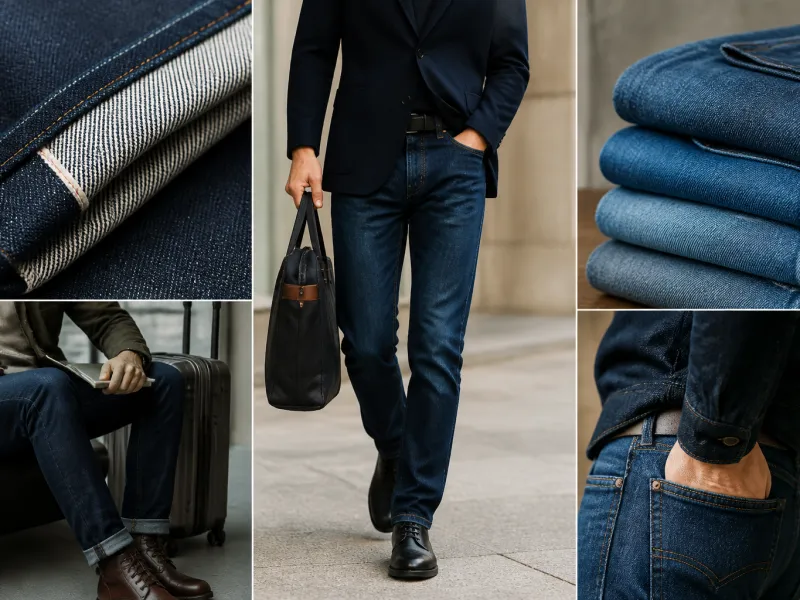
Jeans are worn in far more situations than they were originally designed for, from long haul flights to office days to cycling commutes, and not every pair suits every one of those situations equally well. This guide looks at what to consider when choosing and packing jeans for travel, for different workplace dress codes, and for active use such as cycling.
01
Comfort and stretch for long days
For travel days and long periods sitting, whether on a flight, a train or in meetings, a small amount of stretch in the fabric makes a noticeable difference to comfort, since it allows the fabric to flex with your body rather than resisting it. Comfort stretch denim, with a modest elastane content, typically in the range of 1 to 3 percent, keeps the visual appearance of regular denim while adding meaningful give at the waist, hip and knee. Our stretch versus rigid denim guide explains the trade offs between stretch and fully rigid denim in more depth.
Rise also affects comfort while seated for long periods. A mid rise generally sits comfortably below the natural waist without digging in when seated, while a very low rise can gape at the back when sitting and a very high rise can feel restrictive across the stomach for some wearers, so it is worth considering rise alongside stretch when choosing travel jeans.
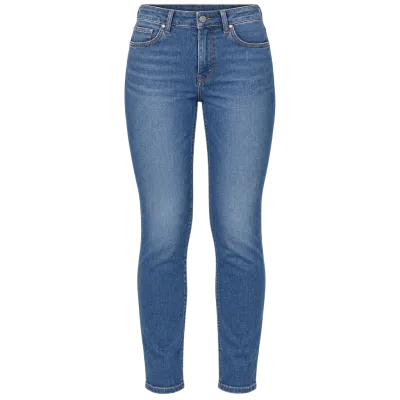 Matching productComfort stretch jeansAmazon →
02
Dark washes for versatility
A dark, minimally washed pair of jeans reads as smarter and more versatile than a heavily faded or distressed pair, and tends to show less visible creasing, dust or minor marks that accumulate over a day of travel or work. This makes a dark wash a practical default for situations where you are not certain of the exact dress code, since it can move between a casual dinner and a smart casual office more easily than a heavily faded or distressed pair. Our guide to washes and finishes covers the full range of options if you want to understand how different washes will hold up visually over a day or a trip.
 Matching productDenim wash detergentAmazon →
03
Jeans and dress codes
| Dress code | What tends to work |
|---|---|
| Casual | Any fit and wash, including distressed or heavily faded denim |
| Smart casual | Dark, minimally washed jeans in a straight, slim or tapered fit, without visible distressing |
| Business casual | Dark, rigid or lightly stretch denim in a clean, straight or slim cut, paired with more formal footwear and tops |
| Formal or black tie | Jeans are generally not appropriate regardless of wash or fit |
Many workplaces that allow jeans still expect a dark, unfaded wash and a clean, unribbed silhouette rather than heavily distressed or very casual styling, so checking a specific workplace's policy, rather than assuming any pair of jeans is acceptable, avoids an awkward first day.
 Matching productMen's straight jeansAmazon →
04
Packing jeans for a trip
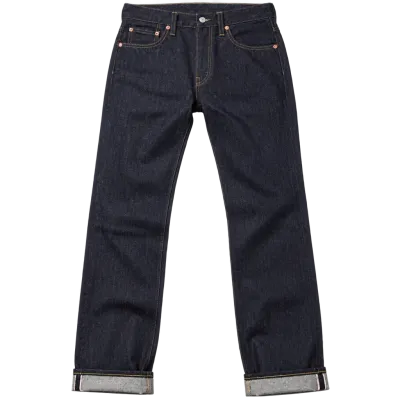
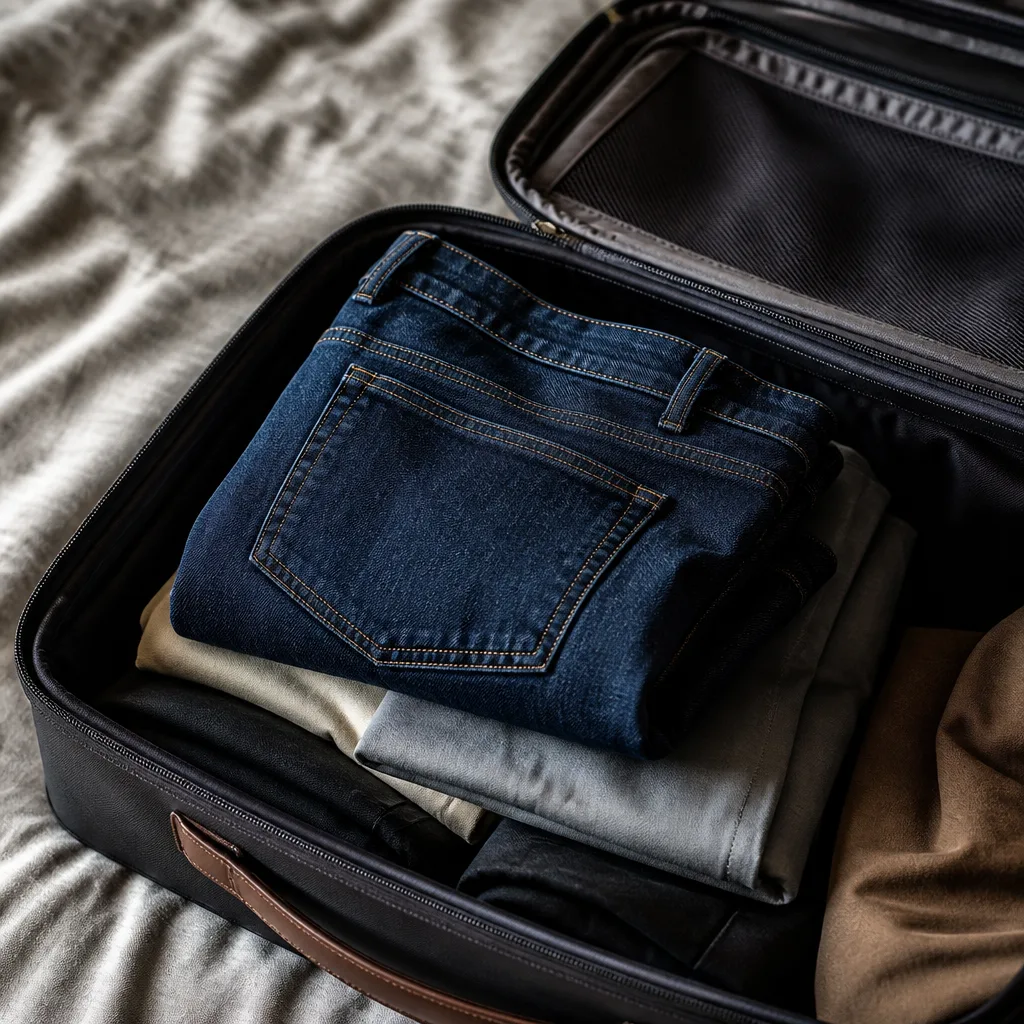
Jeans are relatively heavy and bulky compared with many other trousers, so packing choices matter more for a trip than for daily wear at home. Folding jeans flat, rather than rolling, tends to reduce deep creasing better for a structured fabric like denim, particularly for a smarter dark wash intended for work meetings during the trip. If packing more than one pair, choosing a lighter weight denim for at least one of them keeps overall luggage weight down, since heavier denim, especially raw or selvedge denim at 12 oz or more, adds up quickly across multiple pairs.
For a trip covering both casual days and smarter occasions, a single dark, mid weight pair with a small amount of stretch often covers the widest range of situations, reducing how many pairs need to be packed at all.
 Matching productRaw selvedge jeansAmazon →
05
Flights and airport comfort
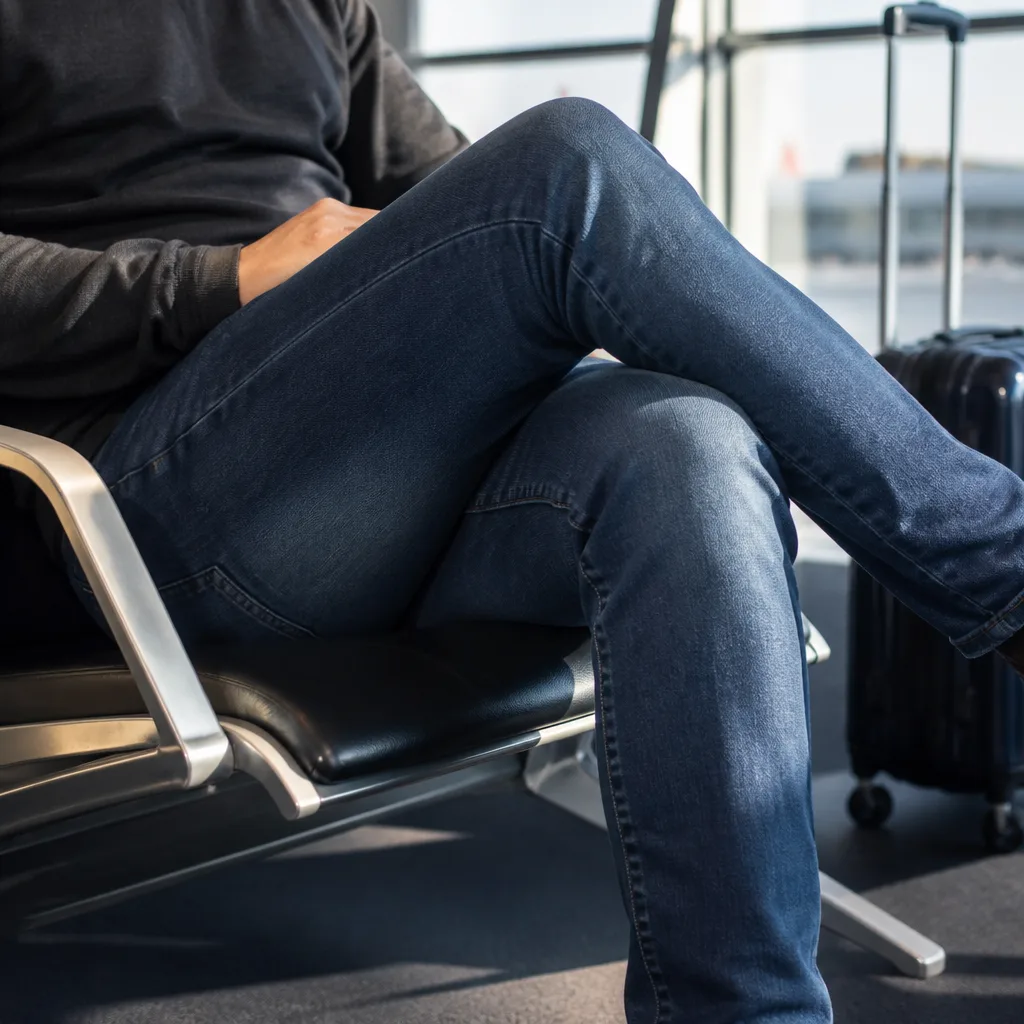
During a flight, jeans sit through hours of sitting, changing cabin temperature and occasional walking through airports, so comfort at the waist and knee matters more than on a typical day. A pair with some stretch, a mid rise, and a leg that is not overly tight through the thigh or knee tends to be the most comfortable choice for a long flight, since it allows for the swelling that can occur in the legs and feet during long periods seated. Rigid, non stretch denim in a fitted cut can feel considerably more restrictive over several hours than the same fit would during a normal day of standing and moving around.
06
Cycling and other active use
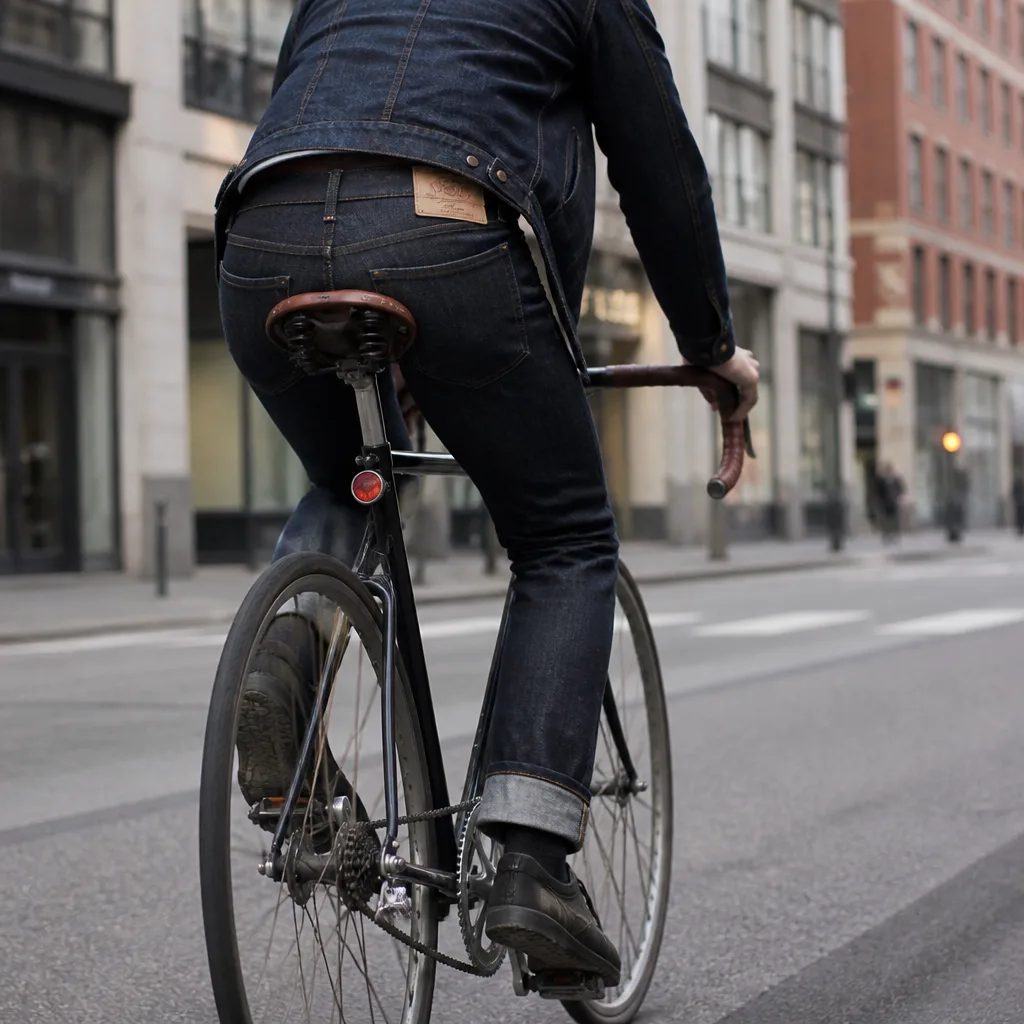
Cycling and similar active use put particular stress on jeans, especially at the knees, where repeated bending concentrates wear, and at the crotch seam, where pedalling movement adds friction. A pair with some stretch generally moves more comfortably with pedalling than fully rigid denim, and a slim or tapered leg avoids excess fabric catching on a chain or pedal, a genuine safety consideration when cycling.
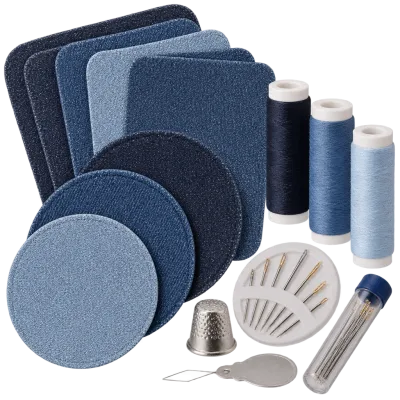
Because active use accelerates wear at the knees and crotch, jeans used regularly for cycling or similar activity are more likely to need repair sooner than jeans worn mainly for sitting or walking. Our guide to jeans repair and patching covers how to fix the crotch and knee areas that tend to wear first under this kind of use, and choosing a slightly heavier, more durable denim to begin with, as covered in our denim weight guide, can also help these areas last longer.
Other active situations, such as a lot of walking on a work trip, standing for long shifts, or general manual work, place similar demands on jeans even without the specific stress of pedalling. In these situations, a mid to heavy weight denim with a small amount of stretch generally balances durability and comfort well, since it resists abrasion better than very light denim while still allowing the fabric to move with the body through a long, active day.
 Matching productDenim repair kitAmazon →
07
Work jeans versus travel jeans
Although travel and work jeans share many of the same priorities, comfort, a dark and versatile wash, and reasonable durability, the two are not always identical. Work jeans, worn repeatedly on a regular schedule, benefit from owning more than one pair so each can be washed and rested between wears, which also extends the life of the fabric. Travel jeans, worn intensively over a shorter period and often across very different situations in a single trip, benefit more from versatility in a single pair, since packing space is usually more limited than a wardrobe at home. Thinking about which situation applies, or whether a specific pair needs to do both jobs, helps narrow down which weight, wash and stretch level makes the most sense before buying.
08
Frequently asked questions
Is stretch denim always more comfortable for travel
For most people, yes, particularly for long periods sitting, since stretch fabric flexes with the body rather than resisting movement. Some travellers still prefer fully rigid denim for its structure and durability, so personal comfort and the length of the journey are worth weighing against each other.
What wash is safest for an unfamiliar workplace dress code
A dark, minimally washed pair without visible distressing is generally the safest default until you know a specific workplace's expectations, since it reads as smarter than a faded or heavily distressed pair.
Should jeans for cycling be a different fit to everyday jeans
A slim or tapered leg with some stretch is generally more practical for cycling than a wide or loose leg, mainly to keep fabric away from the chain and pedals and to allow a full range of movement while pedalling.
How many pairs of jeans should be packed for a week long trip
This depends on the trip, but a single versatile, dark, mid weight pair with some stretch can often cover both casual and smart casual days, reducing the need to pack multiple pairs for a shorter trip.
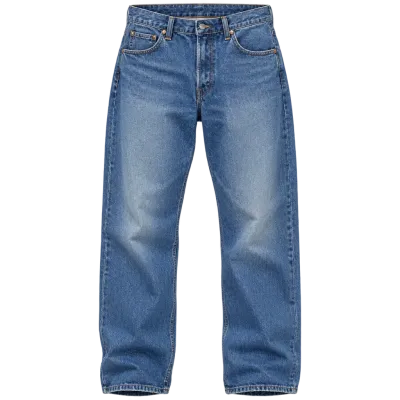 Matching productMen's relaxed jeansAmazon →
Explore
Read next
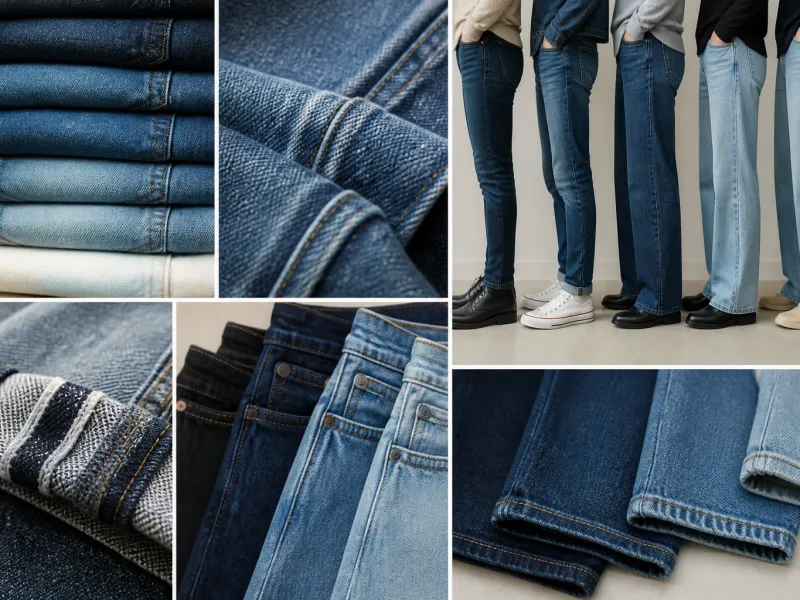 Jeans Fits and Cuts Explained: Skinny to Wide LegA complete overview of jeans fits and cuts, from skinny to wide leg, plus rise and length, with a comparison table and answers to common qu…
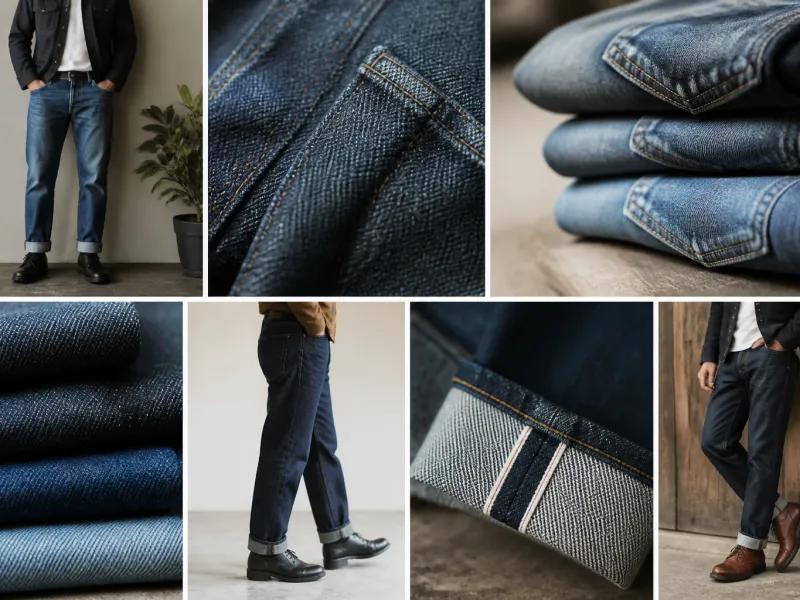 How to Buy Jeans: A Complete Buying GuideA practical, step by step guide to choosing jeans that actually fit, from measuring yourself to checking construction and buying online.
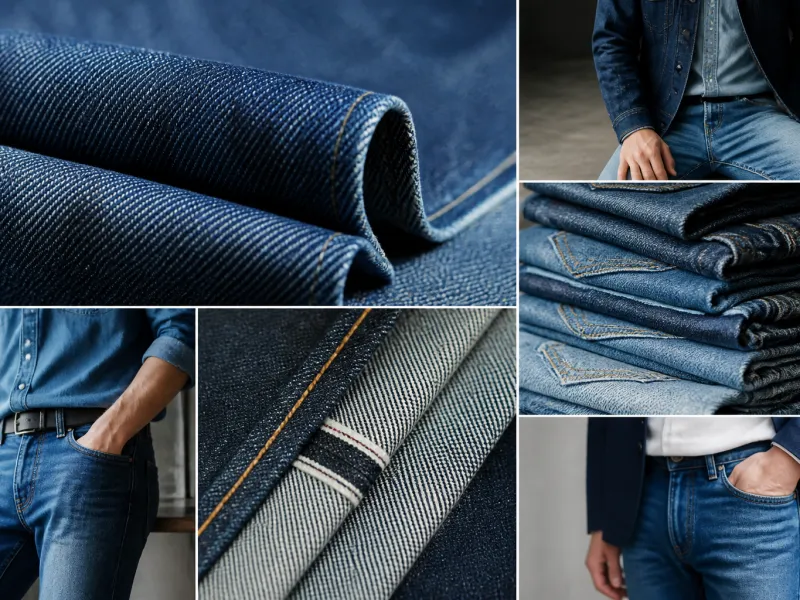 The Denim Guide: How Jeans Fabric Is MadeA clear explanation of denim fabric itself: weave, weight, yarn, dyeing and the regional traditions behind it.