
6 min read
Stretch vs Rigid Denim: Which Jeans Fabric Should You Choose
Compare stretch and rigid denim, from elastane content to recovery, bagging out and durability, to help you choose the right fabric.
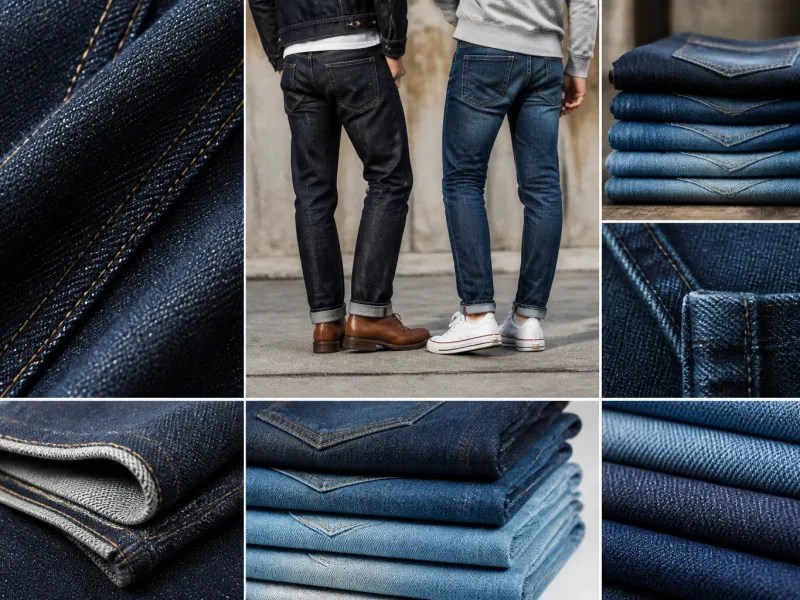
Denim can be woven entirely from cotton, giving a rigid, firm fabric with no give, or blended with a small amount of elastane to add stretch. Both have their place, and the right choice depends on how you plan to wear and move in the jeans, not on one being simply better than the other.
This guide explains how stretch denim is made, how much elastane it typically contains, what happens to stretch fabric over time, and how to decide which type suits you.
01
What stretch denim is made from
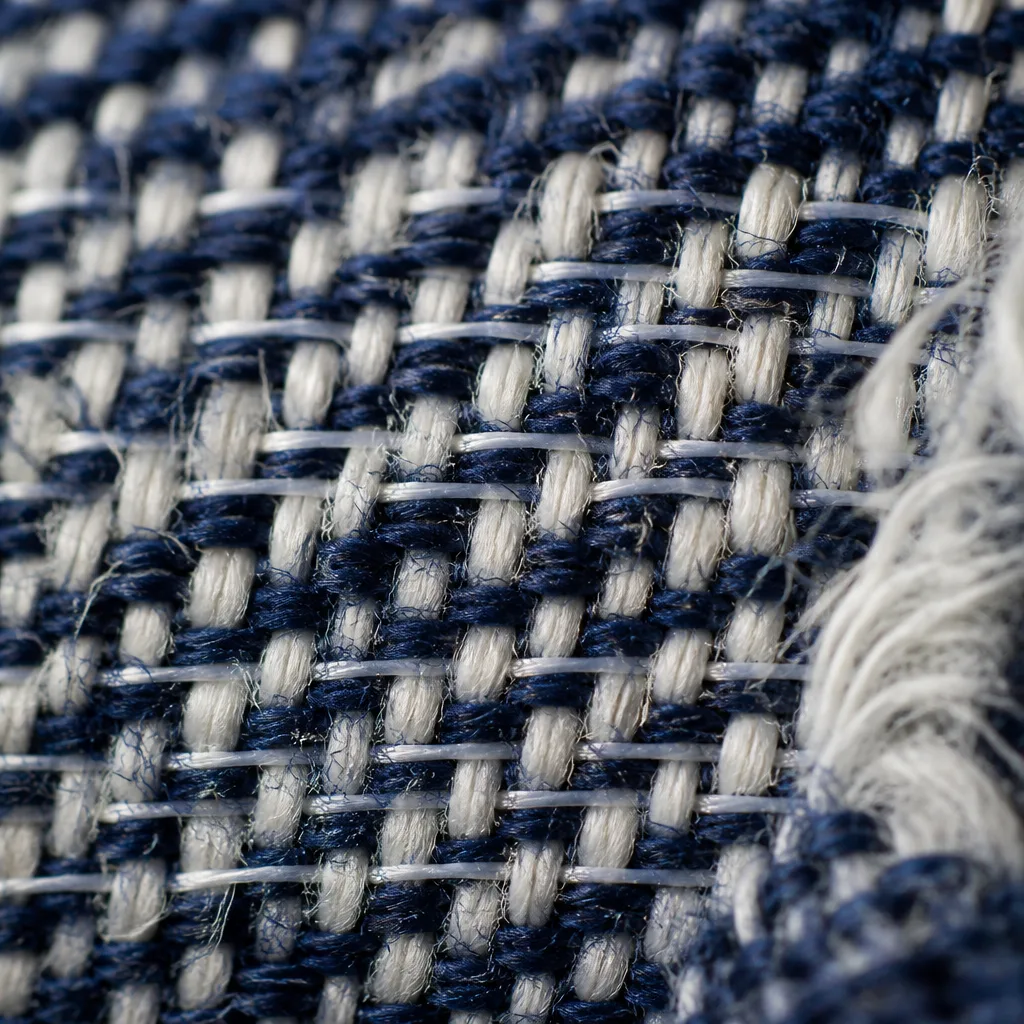
Stretch denim is woven with a small proportion of elastane, a synthetic fibre with a high capacity to stretch and recover its shape, blended into the cotton yarn, usually in the weft direction. Elastane share in most stretch jeans is typically in the range of one to three percent of the total fabric, which is enough to add meaningful give without significantly changing the look or texture of the denim. Some fabrics use a slightly higher share for more pronounced stretch, often described as super stretch, though very high elastane content can affect how the fabric fades and wears over time.
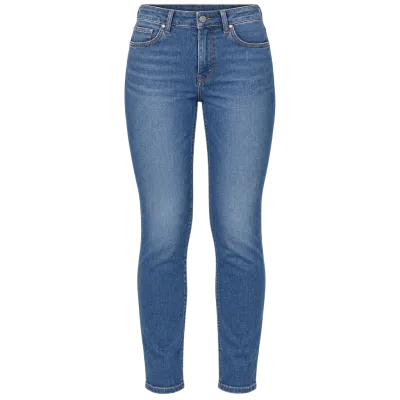 Matching productComfort stretch jeansAmazon →
02
Comfort stretch versus rigid
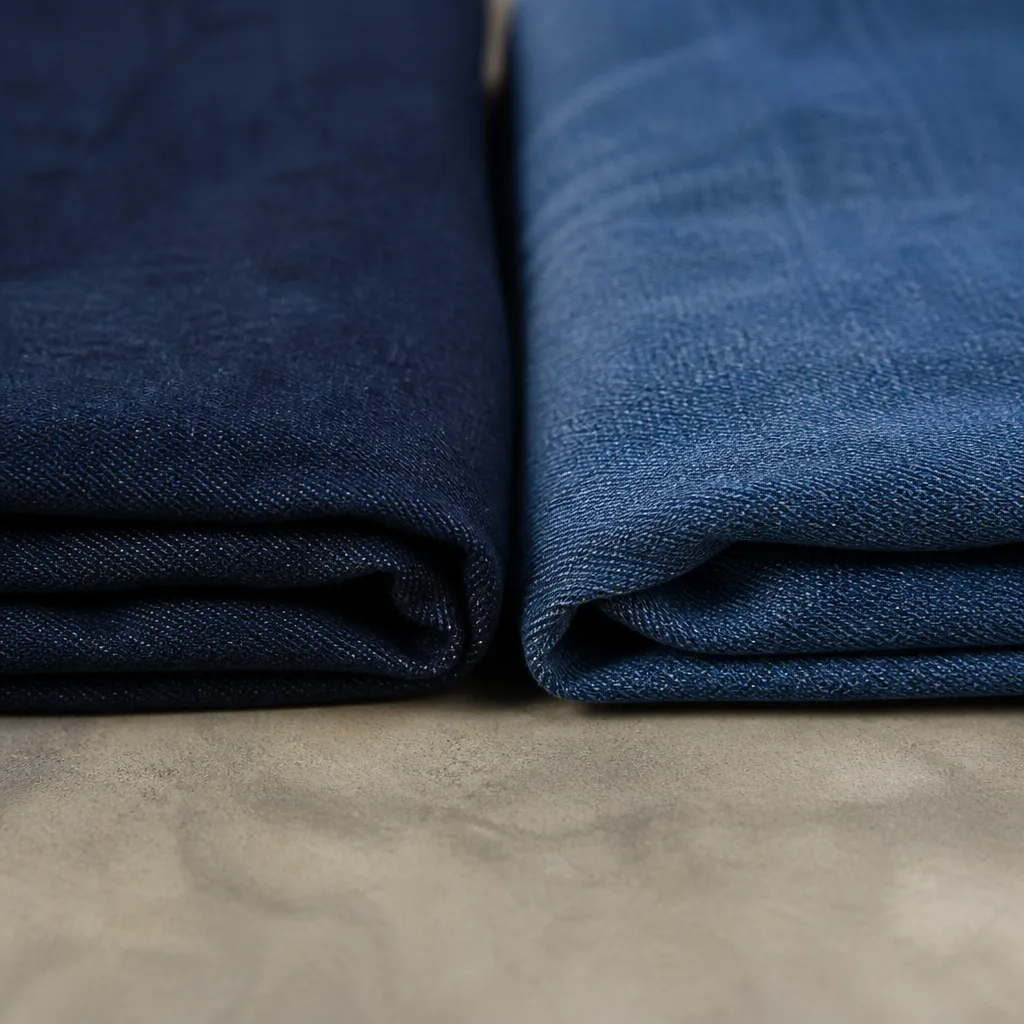
Rigid denim is one hundred percent cotton with no added stretch fibre, which means the fabric does not give under tension and instead relies on the cut and a small amount of fit ease built into the pattern for comfort. Comfort stretch denim adds elastane specifically to make the fabric move with the body, which is particularly useful in fitted cuts like skinny and slim, where a rigid fabric would otherwise restrict movement at the knee and thigh. Rigid denim tends to feel firm when new and softens gradually through wear, while comfort stretch feels flexible from the very first time it is worn.
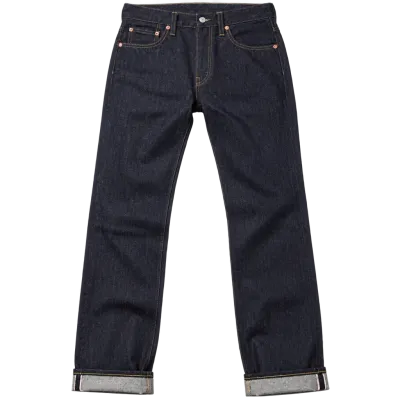 Matching productRaw selvedge jeansAmazon →
03
Recovery and bagging out
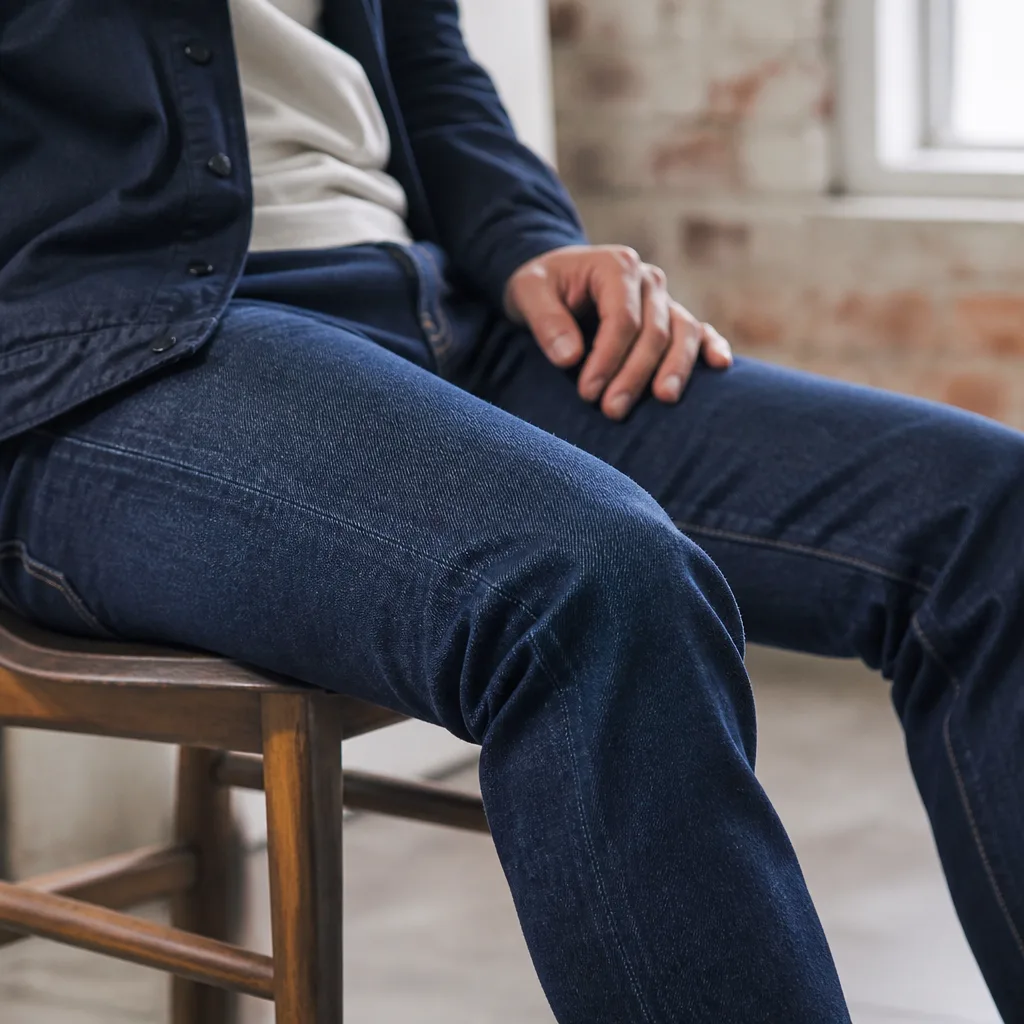
Recovery refers to how well a stretch fabric returns to its original shape after being stretched. High quality stretch denim with good recovery will stretch during wear, for example when sitting or bending, and then spring back close to its original fit once you stand up again. Lower recovery fabric, or fabric that has been stretched repeatedly over a long period, can lose some of this spring back ability, leading to a looser, baggier fit at the knees and seat by the end of a wearing session or over the life of the garment. This gradual loosening is commonly called bagging out.
Bagging out happens faster in fabrics with a lower elastane share relative to how much stretch is demanded of them, and in fabrics that have been worn and washed many times, since the elastane fibres themselves degrade slowly with repeated stretching and heat exposure from washing and drying.
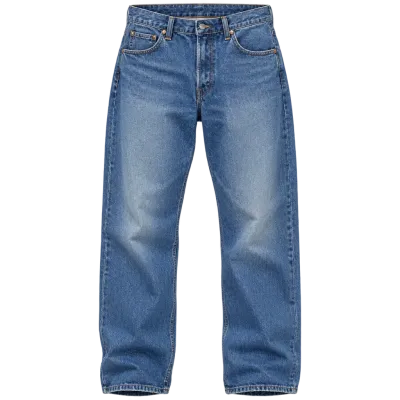 Matching productMen's relaxed jeansAmazon →
04
Durability differences
Rigid, all cotton denim is generally considered more durable over the long term, since cotton fibres do not degrade from repeated stretching the way elastane can, and rigid fabric tends to develop character through fading rather than losing shape. Stretch denim can wear out its stretch performance well before the cotton fabric itself shows significant wear, meaning the jeans may still look intact while feeling noticeably less supportive or more prone to bagging than when new. Higher elastane content generally means faster loss of recovery over time, all else being equal, though good quality construction and moderate washing can slow this considerably.
05
Weight, weave and how they interact with stretch
Elastane can be blended into denim of almost any weight, from lighter fabrics around 8 to 10 oz per square yard through to heavier fabrics of 12 oz and above, though stretch is more commonly found in lighter and mid weight denim, since these are the weights most often used for closely fitted cuts. Heavier denim, whether rigid or stretch, tends to feel firmer and more structured regardless of elastane content, while lighter denim feels softer and drapes more easily. Our denim weight guide explains how weight is measured and what it means for how a fabric behaves, separately from whether it contains stretch.
The weave itself, most commonly a twill weave in denim, also plays a role in how stretch fabric behaves, since the diagonal structure of twill already allows a small amount of natural give even in a fully rigid, all cotton fabric. This is one reason some rigid denim still feels slightly more forgiving than expected, even without any elastane present.
06
Comparing stretch and rigid denim
| Factor | Rigid denim | Stretch denim |
|---|---|---|
| Initial comfort | Firm, softens with wear | Flexible from first wear |
| Movement and flexibility | Limited, relies on cut | High, moves with the body |
| Shape retention over a day | Holds shape well | Can loosen slightly, bagging out |
| Long term durability | Generally more durable | Stretch performance fades before fabric wears out |
| Fading character | Develops strong, defined fades | Fades can be softer or less defined |
07
Who should choose which
If you value a fabric that develops distinct fades over time, want maximum long term durability, or plan to wear a straighter or looser cut where flexibility matters less, rigid denim is generally the better fit, and pairs naturally with the kind of gradual break in process covered in our raw denim guide. If you prioritise all day comfort, plan to wear a slim or skinny cut that needs to move with your body, or are simply more comfortable in a fabric that gives a little, stretch denim is usually the more practical choice. Neither option is right or wrong, and many people are comfortable owning both types for different occasions.
Whichever you choose, checking the size and cut carefully still matters more than the fabric type alone. Our size guide and fit guide cover how to get the sizing right regardless of whether the denim you pick is stretch or rigid.
08
Caring for stretch denim
Washing stretch denim in cool or cold water and avoiding a hot tumble dryer helps preserve its recovery for longer, since heat is one of the main factors that accelerates elastane losing its ability to spring back into shape. Turning jeans inside out before washing also reduces surface abrasion on the outer face, which matters for both stretch and rigid denim alike. Our general guide to washing jeans covers washing steps that apply to both fabric types.
 Matching productDenim wash detergentAmazon →
09
Frequently asked questions
How much elastane do stretch jeans usually contain?
Most stretch denim contains roughly one to three percent elastane blended into the cotton yarn, which is enough to add noticeable give without significantly changing the fabric's appearance.
What does bagging out mean?
Bagging out describes stretch denim gradually loosening at the knees and seat as the elastane fibres lose some of their ability to spring back to shape after repeated stretching.
Is rigid denim more durable than stretch denim?
Generally yes. Cotton fibres in rigid denim do not degrade from stretching, while the elastane in stretch denim can lose recovery over time, meaning the stretch performance can fade before the fabric itself wears out.
Does stretch denim fade the same way as rigid denim?
Stretch denim can fade, but the fades are sometimes softer or less sharply defined than on rigid, all cotton denim, partly because of how the added fibre affects the yarn structure.
Which is more comfortable, stretch or rigid denim?
Stretch denim is generally more comfortable from the first wear, since it moves with the body, while rigid denim starts firmer but softens gradually with regular wear over time.
Explore
Read next
 Jeans Fits and Cuts Explained: Skinny to Wide LegA complete overview of jeans fits and cuts, from skinny to wide leg, plus rise and length, with a comparison table and answers to common qu…
 How to Buy Jeans: A Complete Buying GuideA practical, step by step guide to choosing jeans that actually fit, from measuring yourself to checking construction and buying online.
 The Denim Guide: How Jeans Fabric Is MadeA clear explanation of denim fabric itself: weave, weight, yarn, dyeing and the regional traditions behind it.