
6 min read
Jeans washes and finishes
A guide to the main denim washes and finishes, from raw and rinse to stonewash, acid wash and distressing.
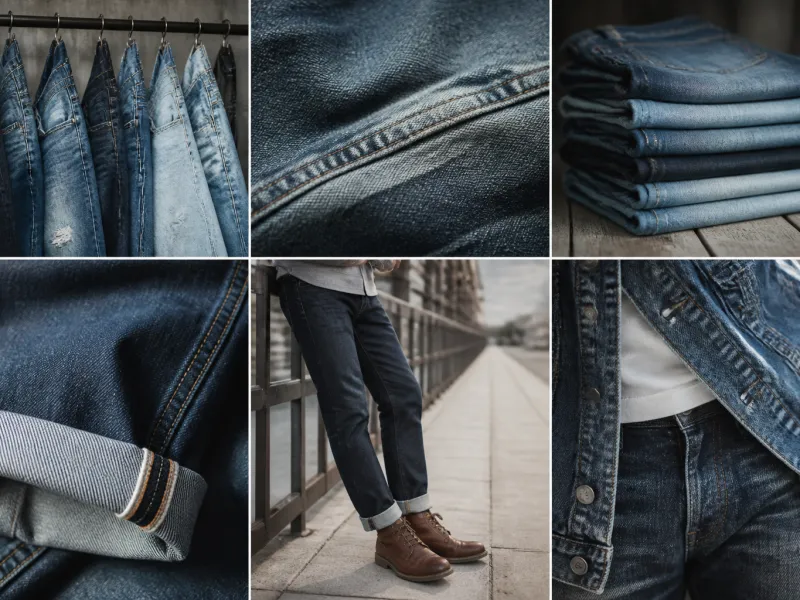
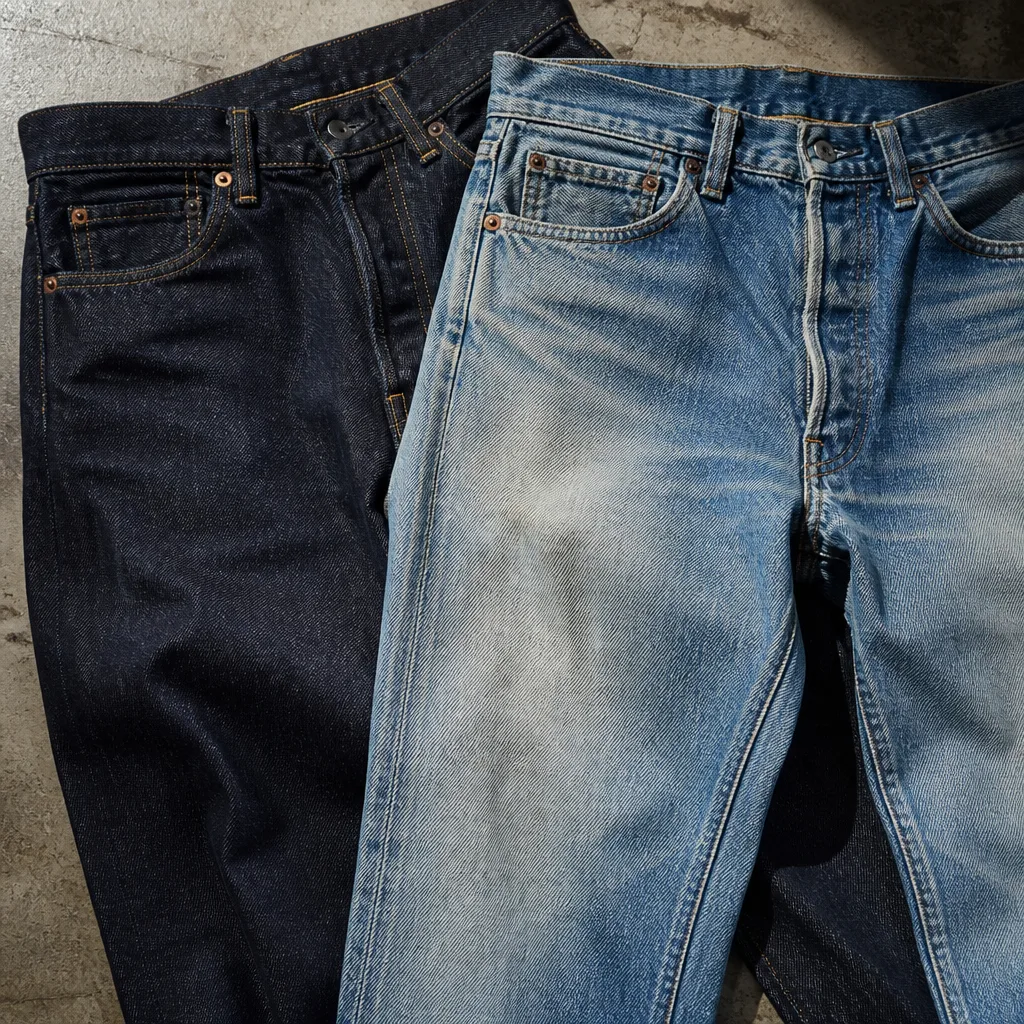
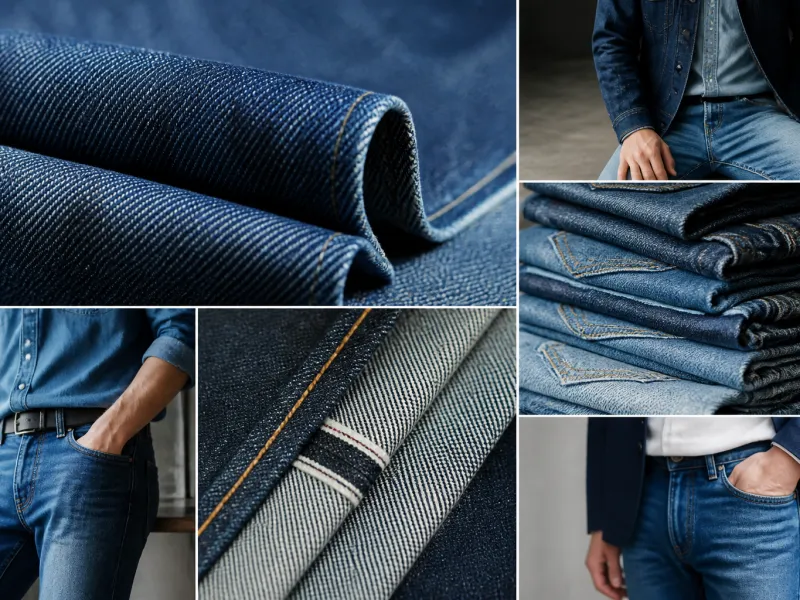
The colour and surface texture of a pair of jeans, from deep unfaded blue to pale grey or streaked white, comes from the wash and finish applied after the denim is woven and sewn, or in the case of raw denim, from no wash at all. Understanding the main wash types helps explain not just how jeans look on the day you buy them, but how they will continue to change over months and years of wear.
This guide covers the most common washes and finishes, how each is produced in general terms, and how a wash affects the way a pair of jeans fades and ages afterwards.
01
Raw and rinse washes
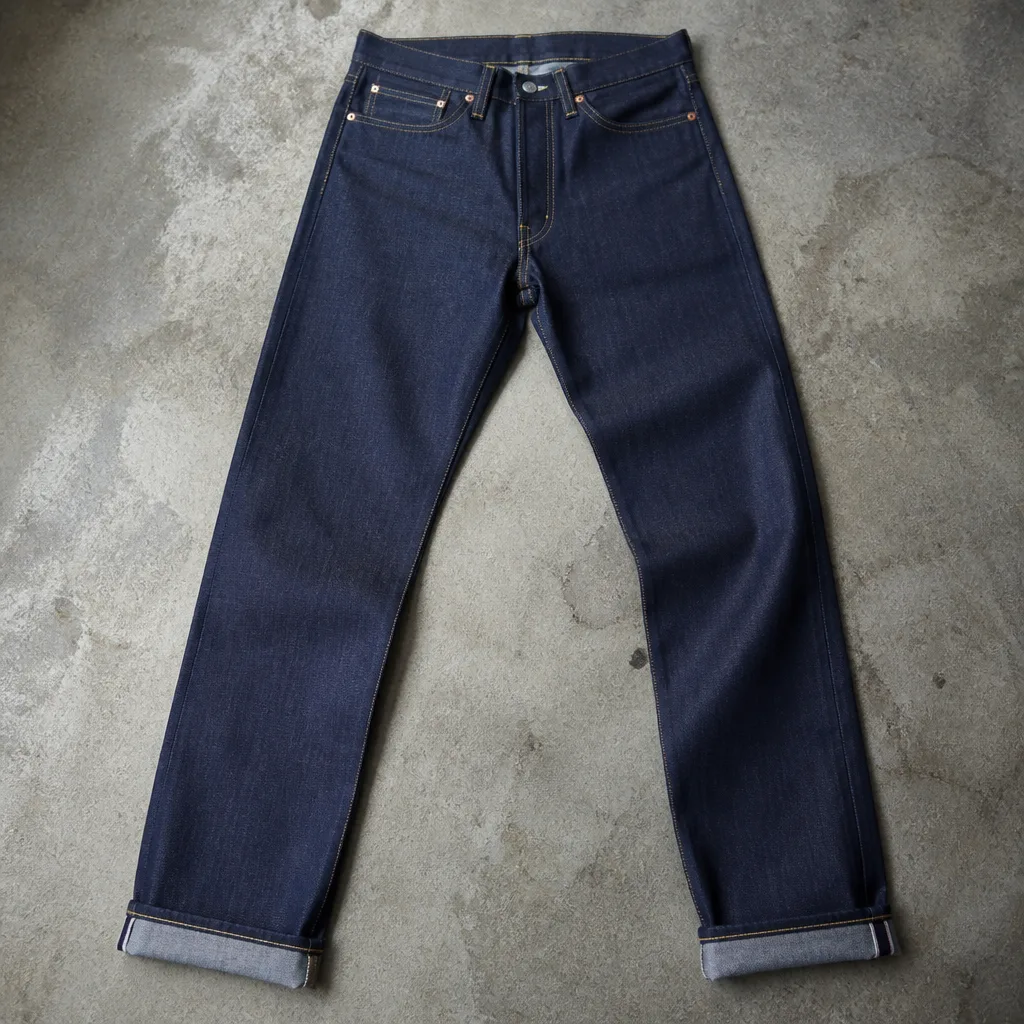
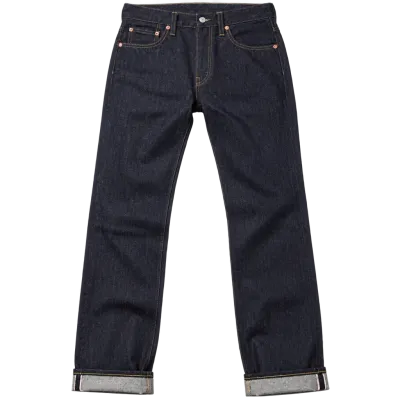
Raw denim is denim that has not been washed at all after dyeing and weaving. It is usually stiff at first, holds a deep, saturated indigo colour, and develops fading entirely through the wearer's own movement, creating fade patterns unique to that person's body and habits over months of wear. See our raw denim guide for what to expect in the first months of owning a raw pair.
A rinse wash gives the denim a single gentle wash after construction, mainly to soften the hand feel and remove excess surface dye, while keeping the colour close to the original deep indigo. Rinse washed jeans sit between raw denim and more heavily processed washes, offering a softer, more wearable fabric from day one while still showing relatively little fading at purchase.
 Matching productDenim wash detergentAmazon →
02
Stonewash and enzyme wash
Stonewashing tumbles denim with abrasive stones, or in more modern production with pumice or synthetic alternatives, inside large washing drums. The stones physically abrade the fabric surface, fading the indigo unevenly and softening the denim, producing the lighter, worn looking blue associated with much casual denim since the late twentieth century.
An enzyme wash uses enzymes, biological catalysts, instead of or alongside stones to break down surface fibres and fade the indigo, offering a gentler, more controllable fade than stonewashing alone and reducing damage to the fabric structure. Enzyme washing is now common in combination with other finishing techniques rather than used entirely on its own.
03
Acid wash, bleach and distressing
Acid wash denim is produced by tumbling the fabric with pumice stones soaked in a bleaching agent rather than plain water, creating a high contrast, streaked or marbled fade pattern that is far more dramatic than a standard stonewash. It became strongly associated with a particular period of fashion and periodically reappears in newer collections.
Bleach washing uses chlorine or other bleaching agents in a more controlled way to lighten denim overall or to create specific pale areas, and can range from a subtle overall lightening to near white patches depending on strength and application time.
Distressing covers a family of techniques that mechanically damage the fabric surface on purpose, including sanding small areas, cutting small slits, fraying edges and removing threads, to imitate the appearance of years of natural wear. Distressing is usually combined with a wash rather than used alone, and the amount can range from a few subtle marks to heavy, deliberately worn out looking denim.
04
Whiskers and other fade patterns
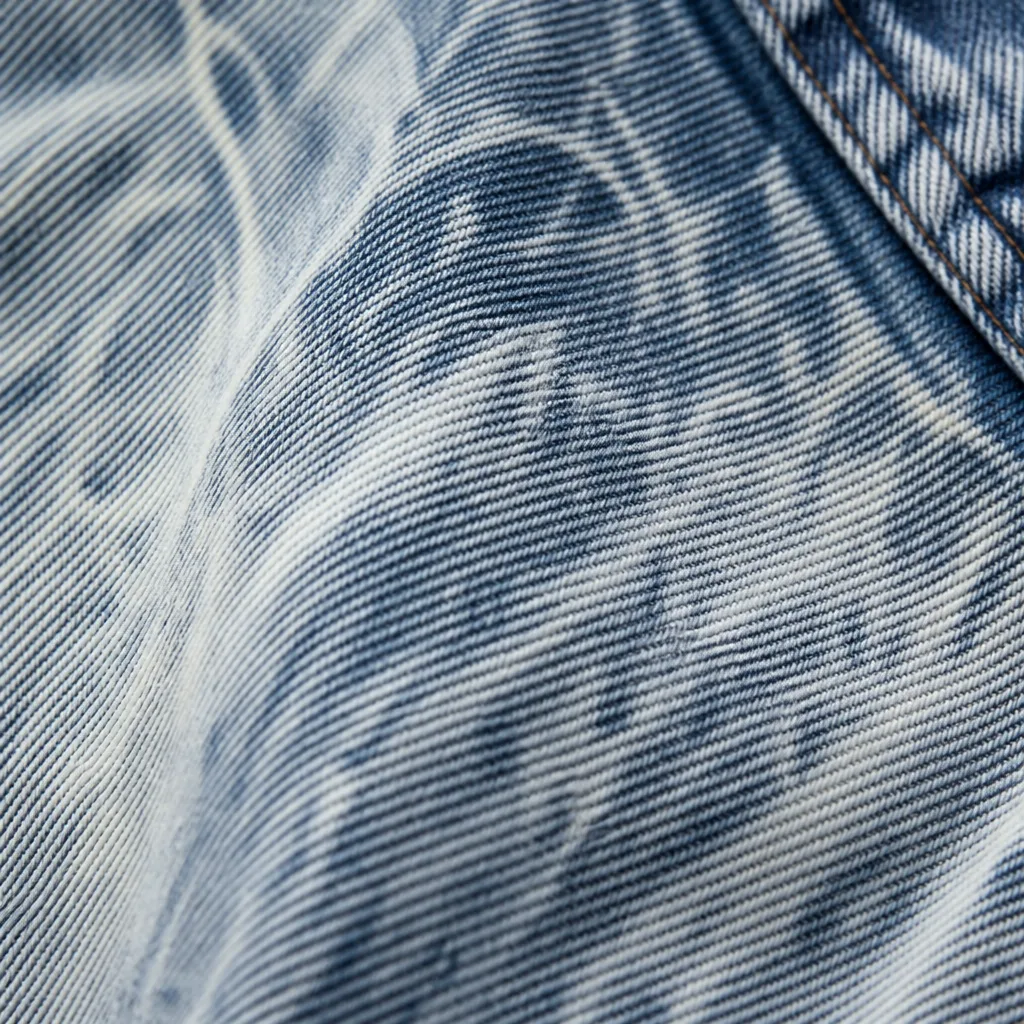
Whiskers are the fine, radiating fade lines that appear across the upper thigh and hip area of jeans, following the creases that form naturally when sitting and moving. On raw or lightly washed denim, whiskers develop gradually through wear. On pre washed jeans, whisker patterns are often applied artificially at the factory, using targeted sanding, laser etching or localised bleaching, to imitate the look of worn in denim from the first day of sale.
Similar deliberate fading is sometimes applied at the knees and honeycombs, the creased fade lines behind the knee, to give new jeans an appearance that would otherwise only develop after extended wear. These artificial fade patterns are permanent and, unlike fades that develop through actual wear, do not continue to change significantly with further use.
05
Coated, black and coloured denim
| Finish | What it involves | How it wears over time |
|---|---|---|
| Coated denim | A resin, wax or similar coating applied to the surface for sheen or a leather like look | Coating wears away with friction and washing, gradually revealing the base denim colour underneath |
| Black denim | Dyed with black dye, sometimes over an indigo base, sometimes on its own | Fades to grey unevenly at stress points as the surface dye abrades with wear |
| Coloured denim | Dyed in shades other than indigo or black using various dye classes | Fading behaviour depends heavily on the dye type used and can differ noticeably from indigo denim |
| Overdyed denim | A finished wash overdyed with an additional colour on top | The top colour often fades first, gradually revealing the underlying wash |
Black denim and other coloured denims generally fade in the same physical way as indigo denim, through surface abrasion removing dye from the raised parts of the twill weave, but the resulting colour change looks different: black tends to reveal grey rather than the warm blue and white contrast typical of indigo. This behaviour is sometimes called crocking when surface dye rubs off onto other surfaces, particularly common with unwashed, heavily dyed denim before it has been worn in.
06
How different finishes age with wear
Denim that starts closer to its raw, undyed fade potential, meaning less of the surface dye has already been removed at the factory, generally has more room to continue changing and developing new contrast through further wear. A pair that is already heavily stonewashed or bleached at purchase has less remaining surface dye to abrade further, so it tends to look visually similar for longer even with continued wear, though the fabric itself still ages, softens and can eventually thin in the same high friction areas as any other denim.
For more on how the base fabric itself, separate from the wash, affects durability and hand feel, see our denim weight guide and our overview of stretch versus rigid denim.
07
Choosing a wash for how you plan to wear jeans
A dark, minimally washed pair tends to suit situations where a cleaner, more formal look matters, and shows less visible wear over time since there is less contrast to reveal. A lighter, more heavily washed or distressed pair leans casual and already displays its worn character, which can be a practical choice if you want jeans that look consistent from the first wear through to years later, without the gradual change that raw or rinse washed denim goes through.
08
Frequently asked questions
Does a heavier wash mean weaker denim
Often, yes to some degree. Stonewashing, bleach and heavy distressing all physically or chemically affect the fibres, which can slightly reduce strength compared to the same fabric in raw or rinsed form, though a well made pair in a suitable weight will still hold up to normal wear.
Can a stonewash or acid wash be replicated on jeans I already own
Home bleaching and abrasive treatments are possible but hard to control evenly and can weaken or damage the fabric, so results are unpredictable compared with factory processing.
Why do some black jeans turn grey so quickly
Black dye sits on the fibre surface in a similar way to indigo and abrades with friction in the same high wear areas, such as the thighs and seat, revealing a greyer tone as the dye wears away.
Is raw denim the only option for natural, personalised fading
Raw and rinse washed denim generally offer the most room for fading to develop naturally through wear, since less dye has already been removed at the factory, but any denim with indigo dye remaining in the fibres will continue to fade gradually with wear and washing.
 Matching productRaw selvedge jeansAmazon →
Explore
Read next
 Jeans Fits and Cuts Explained: Skinny to Wide LegA complete overview of jeans fits and cuts, from skinny to wide leg, plus rise and length, with a comparison table and answers to common qu…
 How to Buy Jeans: A Complete Buying GuideA practical, step by step guide to choosing jeans that actually fit, from measuring yourself to checking construction and buying online.
 The Denim Guide: How Jeans Fabric Is MadeA clear explanation of denim fabric itself: weave, weight, yarn, dyeing and the regional traditions behind it.