
5 min read
Sustainable denim
A clear look at water, chemicals and materials in denim production, and how durability and repair reduce impact.
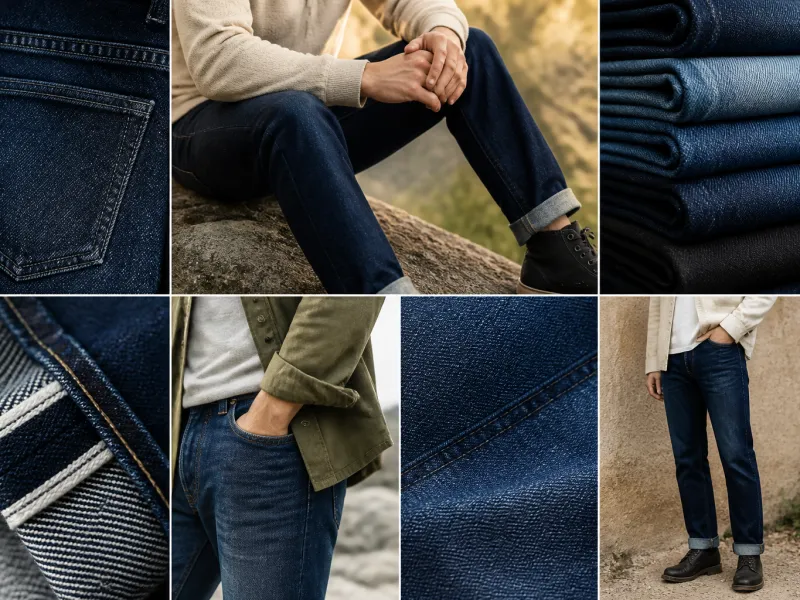
Jeans are among the most worn garments in the world, and denim production uses meaningful amounts of water, energy and chemicals, from growing cotton to dyeing and finishing the fabric. Understanding where the impact comes from makes it easier to see which choices, as a buyer and as a jeans owner, actually make a difference.
This guide looks at the resources involved in making denim in general terms, the materials and practices that tend to reduce impact, and why keeping jeans in use longer is often the single most effective thing you can do.
01
Water and chemicals in denim production
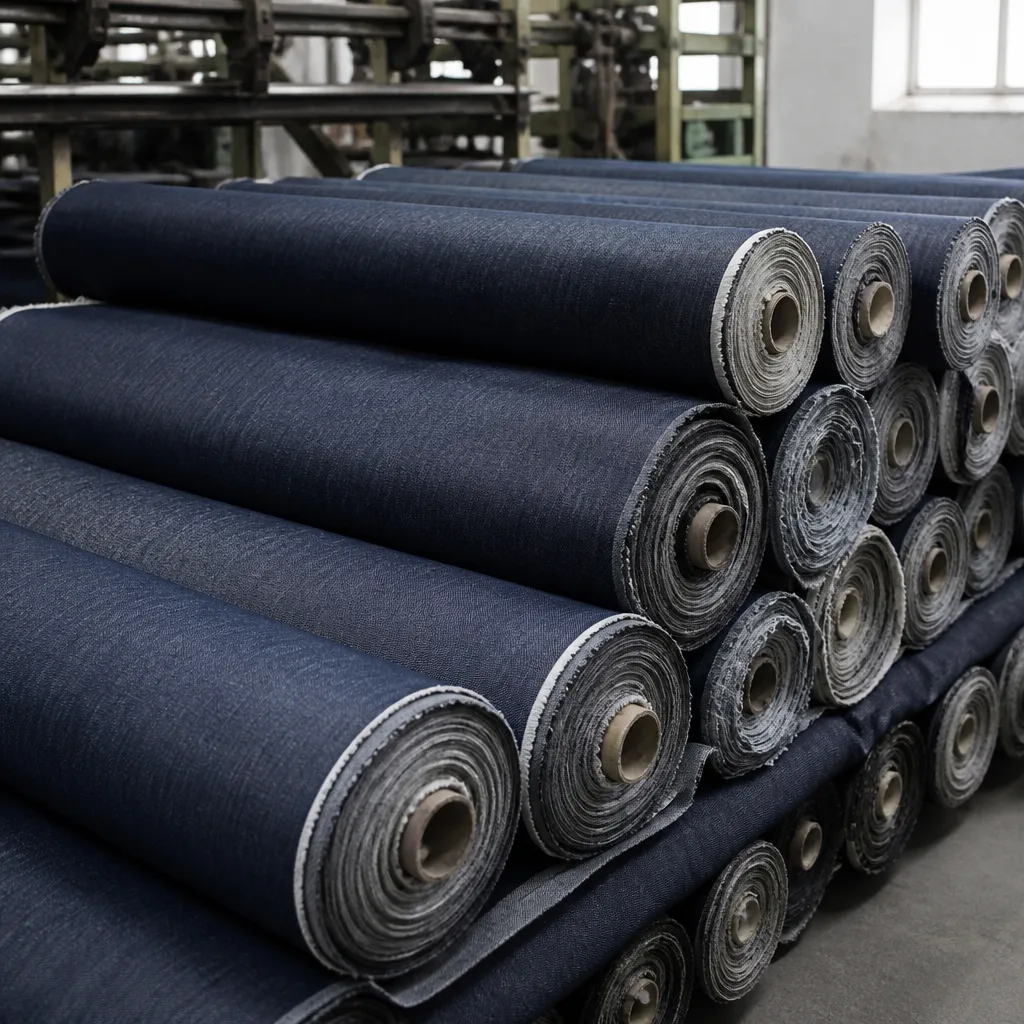
Making denim involves several resource intensive stages. Cotton farming uses water for irrigation, particularly in drier growing regions, along with fertilisers and, on conventional farms, pesticides. Spinning and weaving the cotton into denim fabric then uses further water and energy, and dyeing the yarn with indigo, the classic blue dye of denim, adds more water and chemical use, since indigo does not dissolve easily and traditionally needs a chemical reducing process to bond to the yarn.
Finishing processes, the washes and treatments that give jeans their worn or faded look, can add further water and chemical use, especially traditional stonewashing and acid washing at scale. Wastewater treatment matters a great deal here: mills with modern treatment systems recycle and clean water before it leaves the facility, while mills without adequate treatment can release dye and chemical residue into local waterways. Because practices vary widely between producers and regions, it is best to describe these as general industry patterns rather than fixed figures that apply to every pair of jeans.
 Matching productDenim wash detergentAmazon →
02
Lower impact fibres and dyeing methods
| Approach | What it changes |
|---|---|
| Organic cotton | Grown without synthetic pesticides and fertilisers, often using less irrigation depending on region |
| Recycled cotton | Made from pre or post consumer textile waste, reducing demand for newly grown cotton |
| Recycled polyester or elastane | Stretch fibres made from recycled plastic sources instead of only virgin material |
| Improved dyeing techniques | Processes designed to use less water and recover more of the indigo dye and chemicals for reuse |
| Reduced water finishing | Techniques such as laser or ozone treatment that aim to lower water use compared with traditional washing |
Organic and recycled cotton do not automatically make a pair of jeans sustainable on their own, since the full picture also depends on dyeing, finishing, manufacturing conditions and how long the jeans last in use. They are, however, useful signals that a brand has thought about the fibre stage of production, and are worth looking for alongside other information.
03
Durability as sustainability
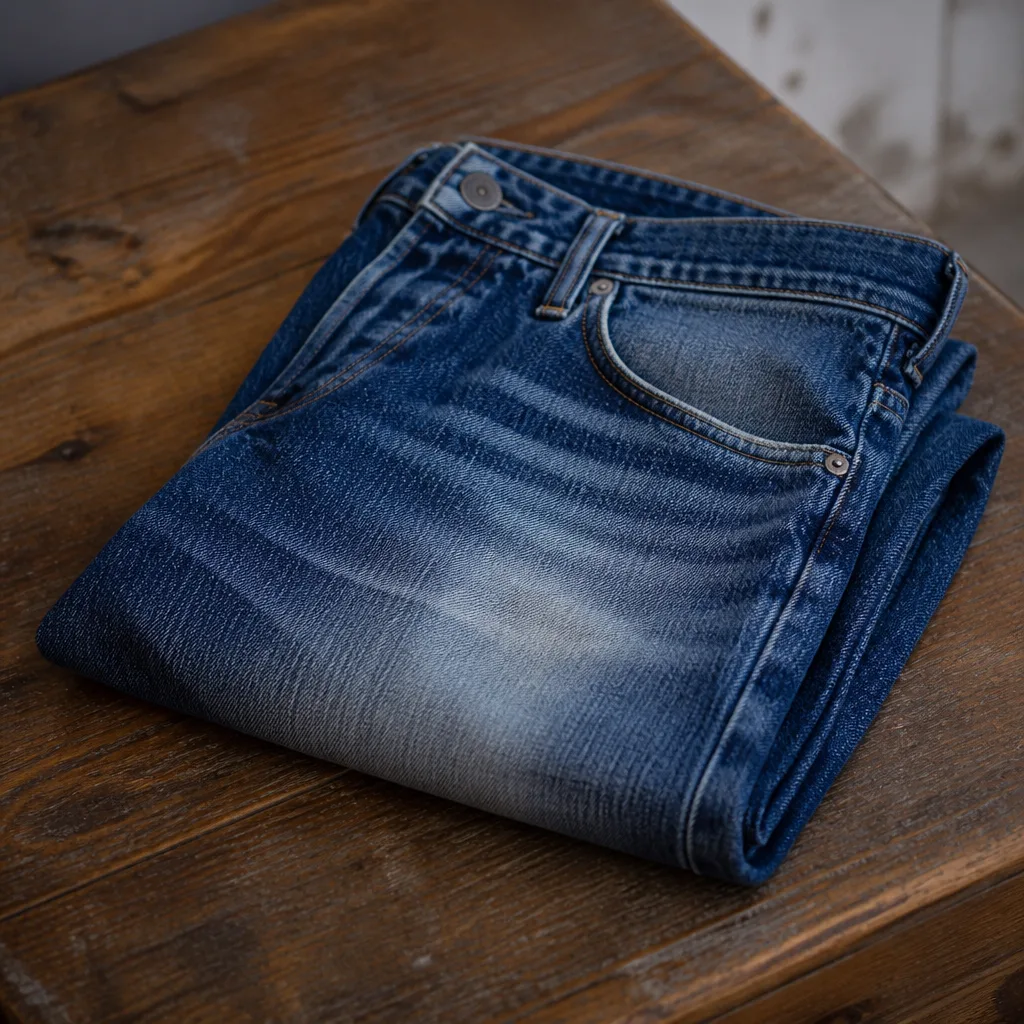
One of the most overlooked factors in the environmental footprint of jeans is simply how long they stay in use. A well made pair of jeans, cared for properly and repaired when needed, that is worn for many years, spreads the resources used to make it over a far longer lifespan than a pair that is discarded after a season. In that sense, choosing durable denim, looking after it, and repairing rather than replacing it are all forms of sustainability that sit alongside the choice of fibre or dye.
Heavier weight denim, quality construction details such as felled seams and bar tacks at stress points, and fits you will actually keep wearing all contribute to a longer useful life. Our denim weight guide explains how fabric weight relates to durability, and the guide to jeans repair and patching covers how to fix common wear points instead of retiring a pair early.
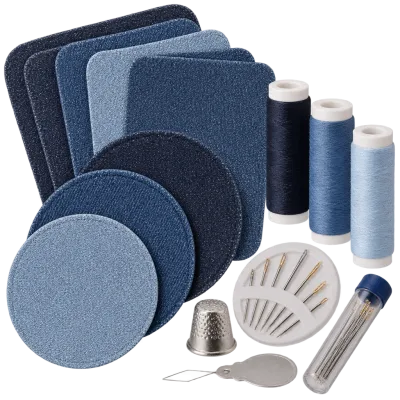 Matching productDenim repair kitAmazon →
04
Second hand and pre worn jeans
Buying second hand jeans, whether from a charity shop, a resale platform or a vintage seller, avoids the resources needed to manufacture a new pair entirely, while also often providing denim that has already been broken in and faded naturally. Denim is generally well suited to second hand wear, since a sturdy, well constructed pair can comfortably outlast several owners with basic care and occasional repair.
When buying second hand, check the areas most prone to wear, the knees, inner thighs and crotch seam, for thinning or existing holes, and factor in that a small repair may be needed. Our hemming guide is useful if a second hand pair needs a length adjustment to fit properly.
05
Care and washing habits that reduce impact
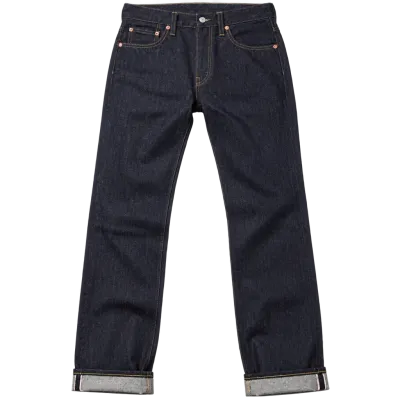
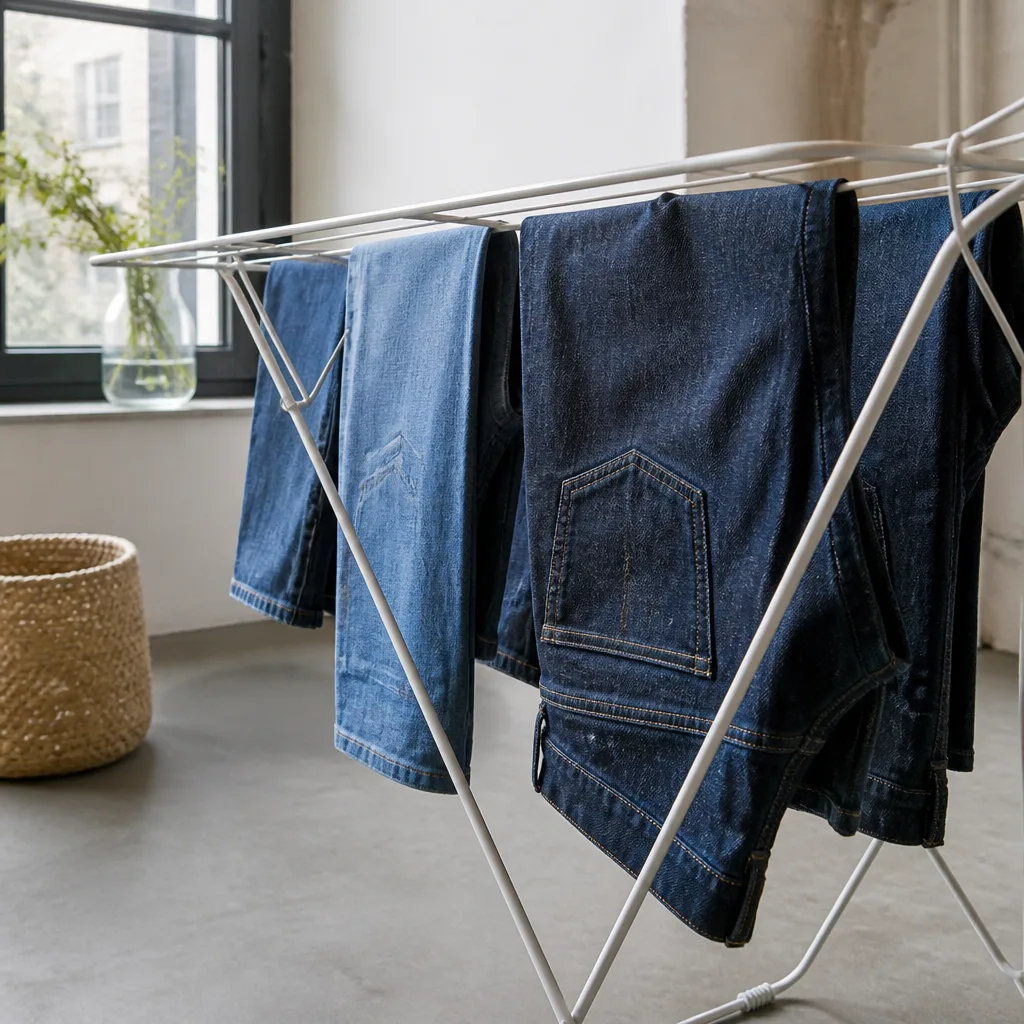
How jeans are cared for after purchase also affects their environmental footprint over time. Washing less often, using cooler water, and air drying instead of tumble drying all reduce the water and energy used across a garment's life, while also being gentler on the fibres and dye, which helps jeans last longer in the first place. Raw denim in particular is often worn for weeks or months before its first wash, both to let fading develop naturally and to reduce how often it needs washing at all.
See our full guide to washing jeans for step by step care advice that also supports longevity.
 Matching productRaw selvedge jeansAmazon →
06
Certifications and labels in general terms
A number of textile certifications and labels exist to give buyers some assurance about aspects of how a garment was made, such as organic fibre content, restrictions on certain chemicals, or standards around working conditions in the supply chain. These schemes vary in what exactly they cover, some focus mainly on fibre origin, others on chemical use in processing, and others on social standards at the factory, so a label on its own does not guarantee every aspect of a product's impact. Looking at what a specific certification actually measures, rather than assuming any label covers everything, gives a clearer picture when comparing options.
It is also worth remembering that certifications typically apply to a stage of production or a component, such as the raw cotton, rather than to the finished pair of jeans as a whole, so a garment can combine certified and uncertified elements. Reading the wording on a label carefully, and treating certification as one useful data point among several rather than a complete guarantee, tends to give a more realistic picture than assuming a single logo covers every stage from field to finished seam.
07
Frequently asked questions
Is raw denim more sustainable than pre washed denim
Not inherently. Raw denim skips some finishing steps at the factory, which can mean less water and chemical use at that stage, but the overall impact still depends on the fibre, dyeing process and how long the jeans are worn for.
Does stretch denim have a different environmental profile than rigid denim
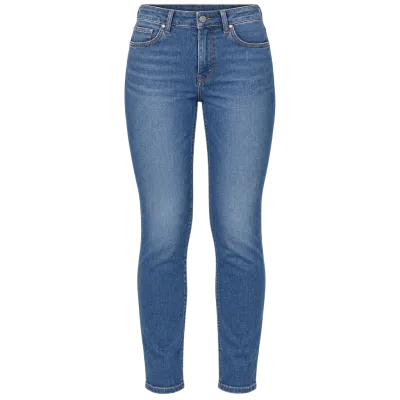
Rigid, all cotton denim is generally easier to recycle at the end of its life than stretch denim, since the small percentage of elastane in stretch denim, typically 1 to 3 percent, is harder to separate from the cotton during recycling.
What is the single most effective way to make jeans more sustainable as a buyer
Buying fewer, better made pairs and keeping them in use longer through proper care and repair tends to have more impact than any single fibre or finishing choice on its own.
Can old jeans be recycled
Many textile recycling schemes accept denim, though the presence of rivets, zips and elastane can complicate mechanical recycling. Checking with a local textile recycling point or take back scheme is the most reliable way to find out what is accepted in a given area.
 Matching productComfort stretch jeansAmazon →
Explore
Read next
 Jeans Fits and Cuts Explained: Skinny to Wide LegA complete overview of jeans fits and cuts, from skinny to wide leg, plus rise and length, with a comparison table and answers to common qu…
 How to Buy Jeans: A Complete Buying GuideA practical, step by step guide to choosing jeans that actually fit, from measuring yourself to checking construction and buying online.
 The Denim Guide: How Jeans Fabric Is MadeA clear explanation of denim fabric itself: weave, weight, yarn, dyeing and the regional traditions behind it.